On Wednesday, South Korea's KOSPI index fell over 5%, entering bear market territory after dropping more than 20% from its peak in June. The index closed down 5.35% at 7,246.79 points, significantly below its record close of 9,114.55 on June 22.
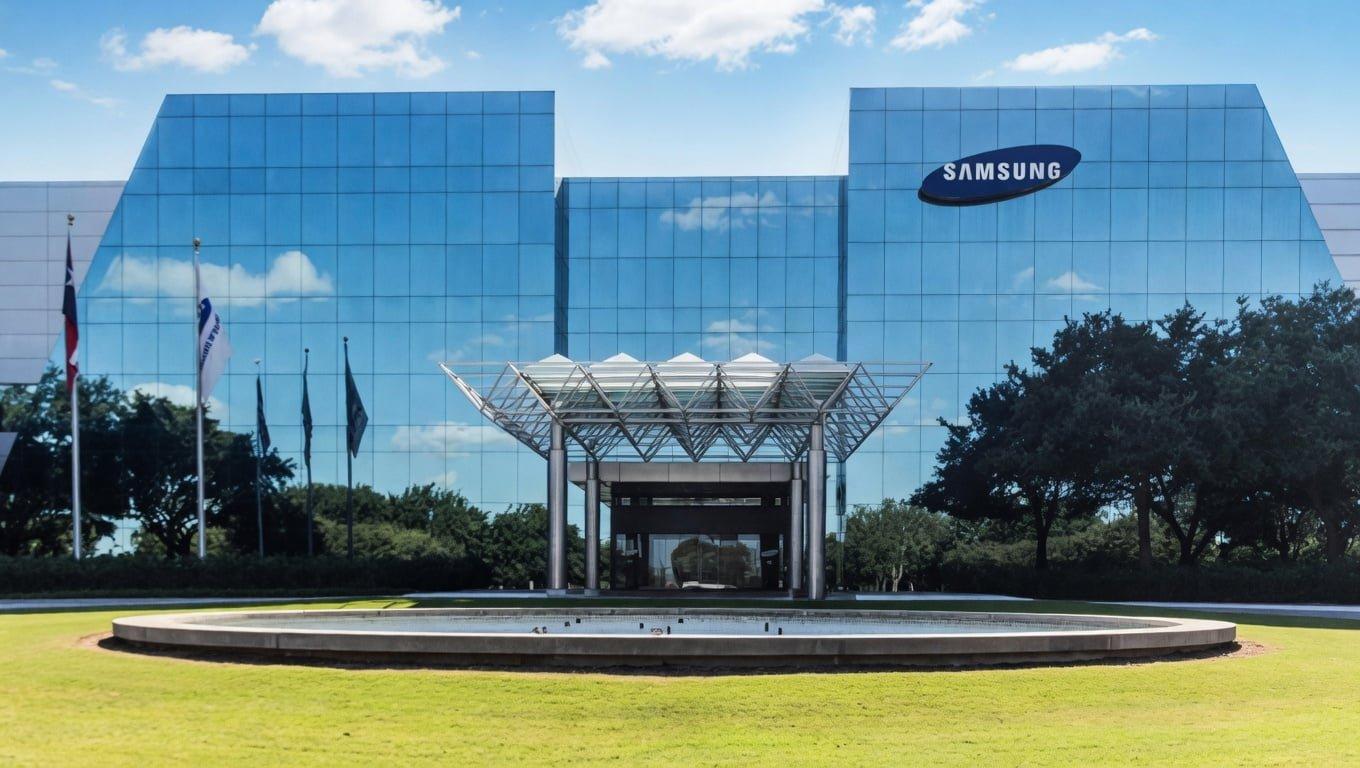
Chipmaker stocks faced considerable selling pressure amidst growing concerns about the sustainability of growth spurred by artificial intelligence. Samsung Electronics experienced a decline of 6.3% despite announcing record profits for the second quarter, as investor expectations for revenue growth were not met. This underperformance led to market jitters as speculation mounted over whether major companies could maintain their growth trajectory.
Market Reactions and Investor Sentiment
During trading on Wednesday, KOSPI showcased high volatility, initially climbing by 1.8% before plummeting by as much as 6.1%. This prompted the establishment of a 'sidecar' curb to pause algorithmic trading activities. Additionally, SK Hynix's shares were down 5.7%, adding to a steep 6% loss from the previous day, primarily due to worries that Apple might switch to Chinese chip suppliers amid supply shortages.
Concerns regarding leveraged exchange-traded funds (ETFs) linked to chip stocks have also emerged. South Korean Finance Minister Koo Yun-cheol stated that authorities would monitor risks concerning these financial products closely, warning that the high levels of leverage may exacerbate market instability.
Impact on Currency and Foreign Investment
The South Korean won appreciated to trade at 1,498.5 per dollar, its strongest value since late May. This strengthening was partially fueled by sales pressures linked to SK Hynix's anticipated share sale in the U.S., which is projected to be one of the largest in the world.
Additionally, foreign investors returned as net buyers of Korean equities worth 335.9 billion won, ending a streak of 13 consecutive sessions of selling. This shift may indicate an easing of foreign profit-taking pressures in the latter half of the year, according to Deputy Finance Minister Moon Ji-sung.
Future Implications and Monitoring
The bear market status of the KOSPI brings critical attention to the ongoing trends in the semiconductor sector and its overarching effects on the South Korean economy. Investors and analysts will be closely observing upcoming earnings reports and further macroeconomic indicators, particularly focusing on the stability of growth in the tech sector.
This material is for informational purposes only and is not financial advice.