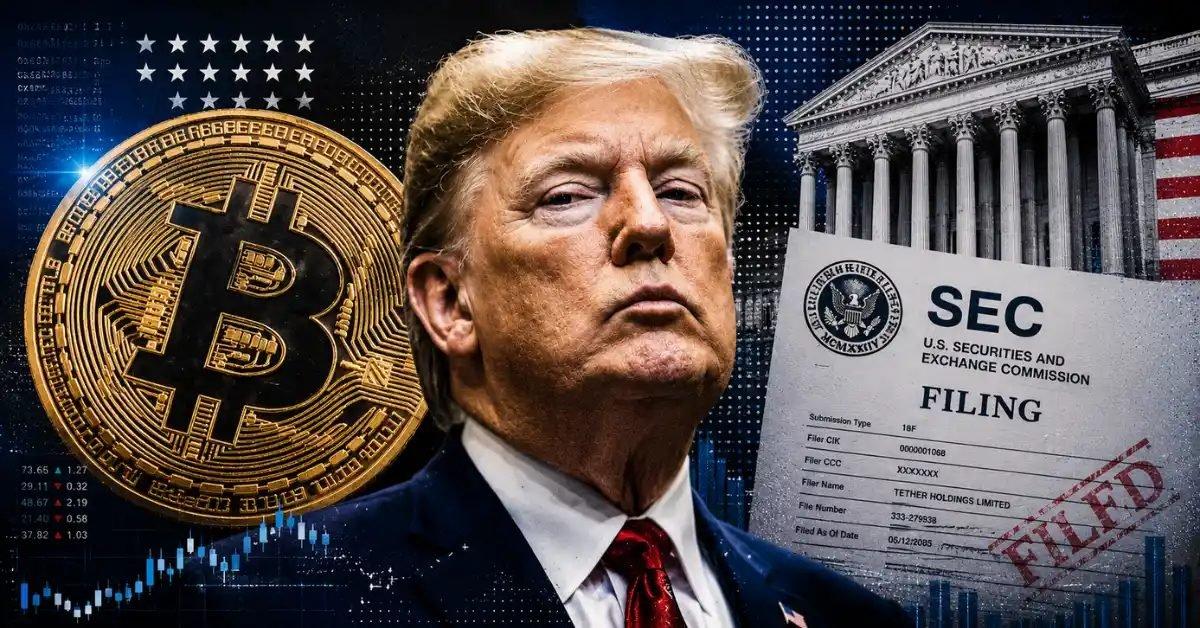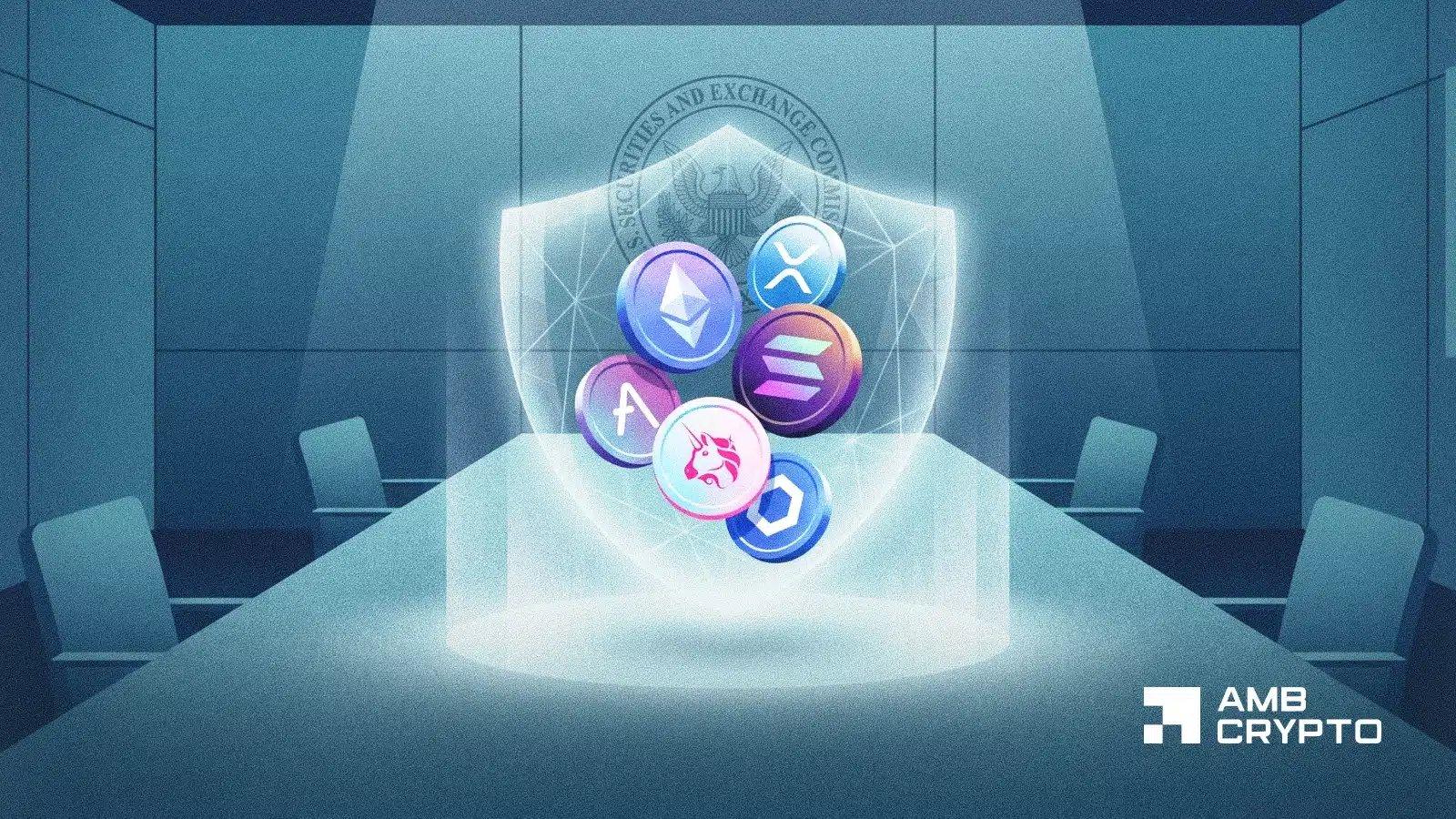
The U.S. Securities and Exchange Commission (SEC) has announced its regulatory agenda for 2026, indicating a fundamental shift in the oversight of digital assets within U.S. financial markets. The SEC's initiative is designed to adapt to the rapid growth of digital assets, aiming to enhance clarity and safety in the sector.
Importance of Regulatory Clarity
The SEC's forthcoming regulations are expected to create a safe harbor framework open for public comment, moving away from an enforcement-heavy approach. By establishing clear guidelines, the SEC intends to boost investor protection and foster institutional confidence in digital assets. This clarity should encourage more firms to explore tokenization and blockchain-based financial services.
- The SEC plans to introduce new custody and trading guidelines.
- 73% of institutions intend to increase their cryptocurrency allocations.
- Crypto ETF assets have surpassed $65 billion.
As more investors receive clearer compliance expectations, they will likely expand their offerings in digital assets, fostering broader market participation.
Shifts in Institutional Participation
Enhanced regulatory clarity is crucial for institutional adoption of digital assets. A recent study indicates that as regulatory certainty increases, institutions are showing greater willingness to invest. Currently, 66% of institutions are accessing the cryptocurrency market through regulated ETFs and ETPs, with allocations still under 0.5% of advised wealth,according to Grayscale Research.
This restrained growth underscores that institutions are exercising caution, testing infrastructure before significantly increasing their allocations. As institutional interest mounts, the dynamics of decentralized finance (DeFi) are evolving to accommodate this shift.
Future Perspectives in DeFi
As institutional capital enters the on-chain space, DeFi platforms are adapting by incorporating compliance layers. Mechanisms such as permissioned pools and digital identity systems are becoming instrumental in enabling institutional participation while adhering to regulatory standards. The ongoing integration of stablecoin liquidity supports this transition.
However, the challenge remains in balancing regulatory compliance with open access. How DeFi protocols manage this trade-off will be pivotal in determining the trajectory of institutional adoption without compromising the foundational principles of decentralization.
What to Watch For
In the coming months, industry participants should monitor the SEC's final decision regarding the regulatory framework, its potential implications for institutional participation, and how DeFi platforms continue to evolve in response to these changes. These developments will significantly impact the future structure of digital asset markets.
This material is for informational purposes only and is not financial advice.