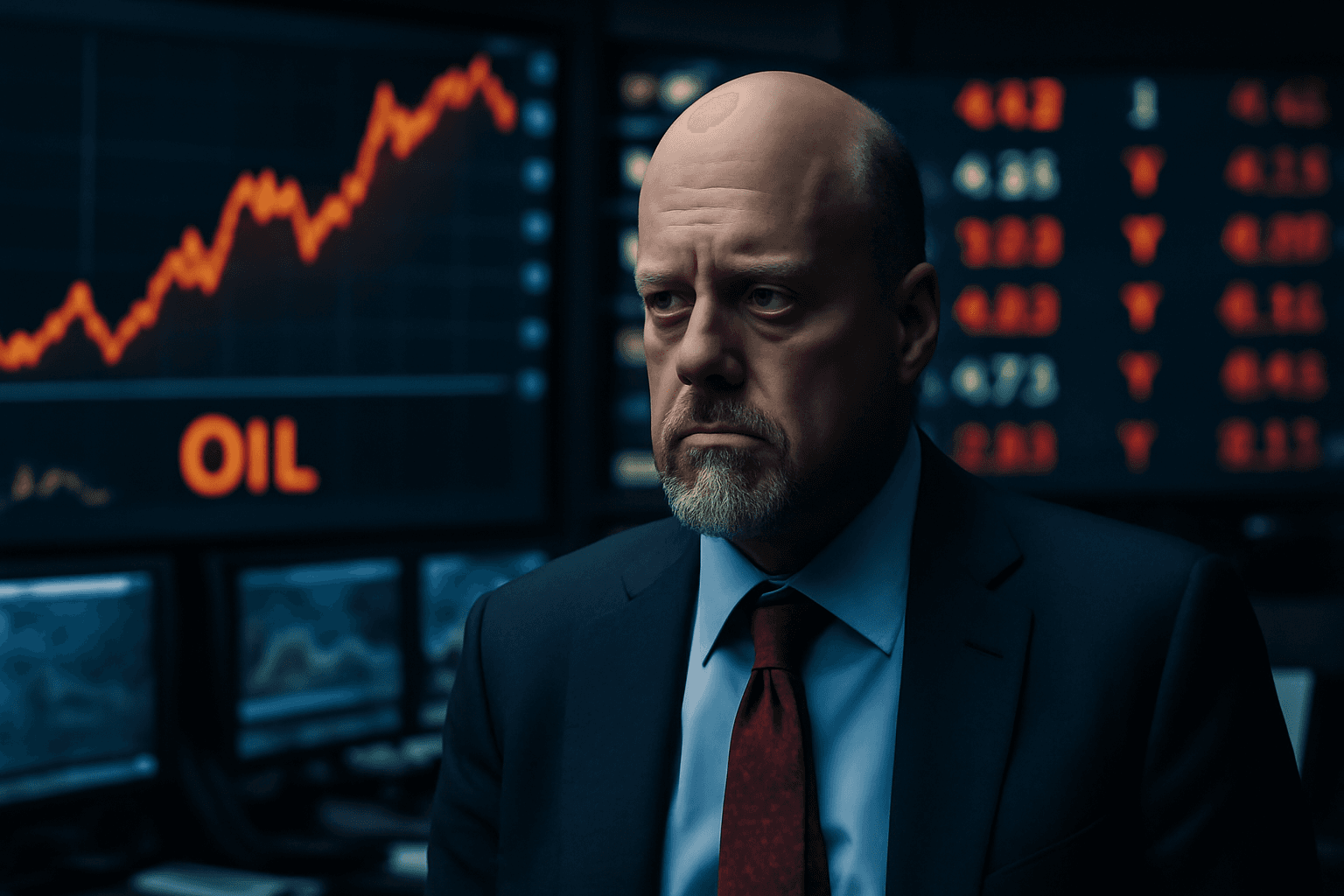
Jim Cramer characterized the current market conditions as 'miserable' on July 21, citing rising oil prices, tariff uncertainties, and a more hawkish stance from the Federal Reserve as key factors unsettling Wall Street.
Market Pressures from Oil and Policy Shifts
A sharp increase in crude oil prices triggered renewed volatility. West Texas Intermediate (WTI) crude jumped 9.4% to $78.14 per barrel after President Trump reinstated a naval blockade at the Strait of Hormuz, a vital route for about 20% of global oil transport. The decision initially included a demand for a 20% fee on cargo passing through, though this demand was later replaced by alternative investment offers from Gulf states. This move contributed to one of the largest single-day price rises in oil this year.
Cramer also pointed to tariff-related price hikes as an added burden, particularly for consumers already facing persistent inflation. The market has reacted repeatedly to threats of blockades with oil price surges followed by equity selloffs, echoing a pattern observed since the Iran conflict began earlier this year. Cramer had warned in March that oil shocks tend to precipitate bear markets, a forecast underscored by these recent developments.
The Federal Reserve’s monetary policy has offered little respite. The Fed maintained its benchmark interest rate range at 3.50% to 3.75%, abandoning previous forward guidance in favor of a data-driven approach under new Chair Kevin Warsh. Approximately half of Fed officials now support at least one rate increase within the year, adding to market caution.
This combination of geopolitical tensions, tariff concerns, and monetary policy ambiguity has created a challenging environment for investors. The ongoing conflict and related oil price volatility continue to weigh heavily on market sentiment.
Information provided is for informational purposes and does not constitute financial advice.