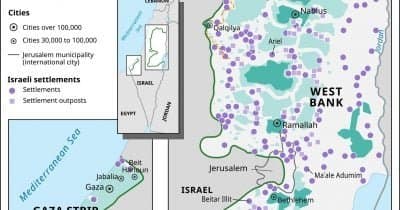
As violence escalates in Gaza, Israel has ramped up its control over the West Bank, employing demolitions and settler encroachments. This intensified approach comes alongside a U.S.-brokered peace deal with Hamas, which remains fraught with tension. The situation has been dire, with reports indicating over 60,839 fatalities in Gaza since the start of the conflict, including casualties among aid workers and children.
Israel's recent actions reflect a trend towards de-facto annexation of the West Bank. The Israeli government has legalized several settlement outposts, further entrenching its administrative presence in the region. Prime Minister Netanyahu's directives for military expansion in Gaza have heightened concerns, making the situation increasingly unstable.
Market reactions suggest that the political landscape in Israel may be shifting, with analysts indicating a significant rise in the likelihood of parliamentary dissolution before July 16. This perception of instability is coupled with the ongoing military operations and their implications for the peace process. Observers are urged to keep an eye on any announcements from Israeli officials, especially regarding parliamentary developments.
Political movements among key figures, including opposition leaders, could significantly influence public sentiment and market reactions. The ongoing Israeli-Palestinian conflict remains a crucial factor, as any changes in military strategy or progress on the peace deal may have profound implications for Israel's political trajectory. The evolving dynamics in both the West Bank and Gaza are critical to understanding the broader implications for Israeli governance and regional stability.
This material is for informational purposes only and does not constitute financial advice.