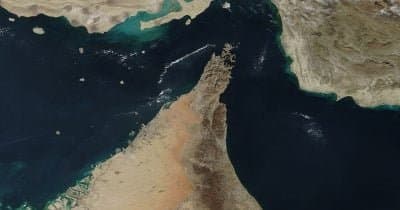
Iran's Revolutionary Guards have announced the ongoing closure of the Strait of Hormuz, citing opposition to U.S. actions as a key reason for this decision. This announcement has occurred against a backdrop of rising tensions between Tehran and Washington, where Iran has demanded the lifting of a U.S. naval blockade before considering reopening this critical maritime route.
The Strait of Hormuz serves as a vital passage for global oil exports, as nearly 20% of the world's oil supply transits through it. Analysts predict that the continued closure could lead to spikes in oil prices, with WTI Crude Oil forecasted to potentially reach $90 per barrel as early as mid-July 2026.
Current market indicators are reinforcing this outlook, showing a notable increase in the likelihood of WTI prices climbing significantly. The probability of reaching $90 per barrel has surged to approximately 29.6%, reflecting heightened concerns over potential supply disruptions. Observers in the oil market have reported increased trading volumes, signaling that traders are preparing for further price fluctuations.
The geopolitical climate remains crucial for oil markets, especially with the imminent deadline for the U.S. to reevaluate its blockade stance. The interplay between Iran's strategic decisions and U.S. diplomatic maneuvers will likely have substantial repercussions for global energy supplies. As tensions remain high, market participants are urged to remain alert to developments in U.S.-Iran negotiations.
Statements from influential political figures, including those from the White House and Iranian leadership, could serve as catalysts for market movements. Additionally, any military or diplomatic actions that might affect the Strait of Hormuz will be key at this juncture, highlighting the fragility of the current situation.
For market watchers, the ongoing developments surrounding the Strait of Hormuz will provide critical insights into future pricing trends in the oil sector.
This material is for informational purposes only and does not constitute financial advice.