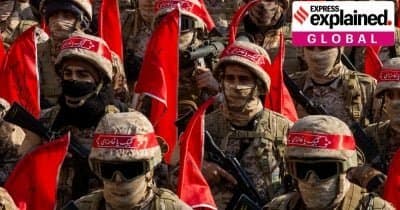
The Islamic Revolutionary Guard Corps (IRGC) of Iran declared that the nation is prepared for prolonged military engagements against its adversaries, notably during the ongoing conflict with a U.S.-Israel coalition. This announcement follows increased hostilities after a ceasefire collapsed in March 2026 and emphasizes Iran's strategy of decentralized defense, which allows operations to persist even if central command is disrupted.
Military Readiness and Regional Impact
The IRGC's statement shows its commitment to continue operations targeting damaged infrastructure in the region, suggesting an escalation in military readiness. This approach could have significant implications for regional stability, particularly regarding oil and gas supply chains, as oil prices may rise in response to the perceived threat of ongoing conflict.
Market analysts are already adjusting their expectations for a potential U.S.-Iran deal in 2026, with the likelihood of extended military engagements potentially hindering diplomatic resolutions. The IRGC's readiness for continued operations signals a strategic focus on regional infrastructure, which could critically impact energy markets and economic conditions in the Gulf.
Future Developments and Monitoring
Observers are advised to monitor any further military actions from Iran or the U.S.-Israel coalition, as these could drastically influence regional stability and any chances for a diplomatic resolution. Key indicators will include new military strikes, escalations, and responses from major actors involved in the conflict. Additionally, the market's response to potential disruptions in energy supplies will be vital in assessing the situation's impact on negotiations regarding a U.S.-Iran deal.
This material is for informational purposes only and does not constitute financial advice.