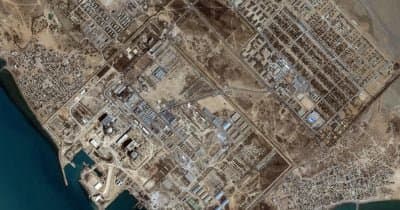
Iran has activated its air defense systems surrounding the Bushehr nuclear power plant following a series of U.S. and Israeli airstrikes targeting military sites in the Bushehr province. Iranian officials report the defenses engaged hostile drones and projectiles, although the nuclear facility itself remains unscathed according to U.S. Central Command.
Key Developments at Bushehr and Regional Tensions
The Bushehr plant operates with Russian technical support and holds strategic importance amid escalating regional military actions. In response to perceived aerial threats, Iran's deployment of air defenses marks a significant escalation of military alertness in the area. The move aligns with a broader pattern of heightened readiness across Iranian airspace.
Market indicators now reflect a rising probability of a full Iranian airspace closure, with options trading on July 31 pricing about a 27% chance. This potential shutdown would have substantial implications for commercial and civilian flights in the region. Continued monitoring of announcements from Iran's Civil Aviation Organization is critical, as official notices (NOTAMs) could confirm any such airspace restrictions.
International and Market Responses
Iran's defensive posture comes amid ongoing scrutiny by the International Atomic Energy Agency, which maintains oversight of nuclear activities in the country. Further actions by U.S. and Israeli forces, or statements from American officials, could influence the situation’s trajectory and the prospect of airspace closure.
These developments may affect geopolitical dynamics and related market sectors, especially aviation and regional security-sensitive assets. The situation remains volatile, with the possibility of rapid changes depending on military and diplomatic maneuvers.
This material is for informational purposes only and does not constitute financial advice.