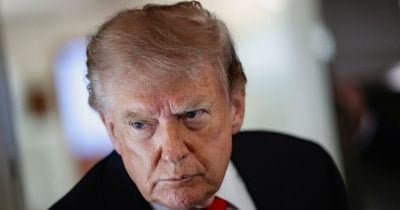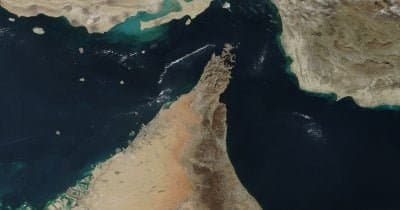
$3 trillion in annual oil shipments flow through the Strait of Hormuz. That's roughly 30% of seaborne traded petroleum. Iran and Oman are now quietly negotiating how to manage this chokepoint, but the talks hinge on one massive condition: the U.S. lifting sanctions. President Trump has already signaled he won't tolerate Tehran imposing transit fees or expanding its control over the waterway.
Why Tehran needs a deal
Iran's use in the strait is geographic, not economic. The country flanks one of the world's most critical energy corridors, yet remains locked out of legitimate revenue streams thanks to American sanctions. An agreement with Oman would theoretically let Iran monetize shipping traffic without directly confronting U.S. interests. The catch: Trump's administration sees any Iranian toll regime as unacceptable. His public opposition signals that Washington won't sit idle if Tehran tries to extract fees from passing vessels.
Market predictions currently price the odds of the U.S. charging its own Hormuz fees at just 1.8% through August 31, 2026. That low figure reflects Trump's stated preference for free passage over a competing fee system. Instead of competing tolls, the administration appears focused on preventing Iran from profiting at all.
What happens if negotiations collapse
The Iran-Oman talks remain conditional on sanctions relief. Without it, neither country has much incentive to formalize an agreement. If negotiations stall, shipping volatility could return. Every time tensions spike around the strait, oil markets twitch. Insurance premiums rise. Refineries in Asia and Europe reassess their supply chains. The ripple effects extend far beyond diplomacy.
Statements from Trump, Secretary of State Rubio, and Vice President Vance will be key indicators of where U.S. policy actually lands. Markets are watching for any shift in sanctions rhetoric or diplomatic overtures that might signal a change in course. Even minor policy adjustments could reshape expectations around Hormuz transit costs and regional stability.
This material is informational analysis and does not constitute financial or geopolitical advice. Market pricing and policy outcomes remain unpredictable.