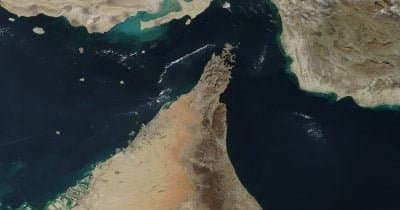
India has ceased the deployment of its seafarers to vessels navigating the Strait of Hormuz, a crucial route for approximately 20% of the world’s oil supply. This decision, issued by the Directorate General of Shipping, comes as renewed hostilities in the Gulf region render the waterway increasingly hazardous.
With India representing about 10-12% of the global seafaring workforce, the move affects an estimated 300,000 Indian sailors. The blockage in the Strait of Hormuz has been exacerbated by Iran's obstruction of shipping traffic since late February 2026, coinciding with ongoing military actions involving the US and Israel. There have already been reports of casualties among Indian seafarers due to strikes in the vicinity.
This latest directive signifies a shift from India’s previous approach, where restricted deployments were allowed under certain security conditions. The current ban reflects a heightened assessment of risk, impacting not just shipping logistics but also the broader energy market stability.
The Strait of Hormuz facilitates the transport of oil from major producers like Saudi Arabia, Iraq, Kuwait, and the UAE. The shortage of crew members, following India's withdrawal, adds additional complexities to an already strained shipping environment. Firms now face the challenge of securing non-Indian crews, all while coping with increased insurance costs for Gulf transit.
As the situation evolves, oil prices are likely to be affected, potentially leading to tighter monetary policies from the Federal Reserve and other central banks. Additionally, the US dollar often strengthens during geopolitical turmoil, which typically puts downward pressure on Bitcoin values. Investors should closely monitor these dynamics, especially the DXY index as an early indicator of market responses.
This article is for informational purposes only and does not constitute financial advice.