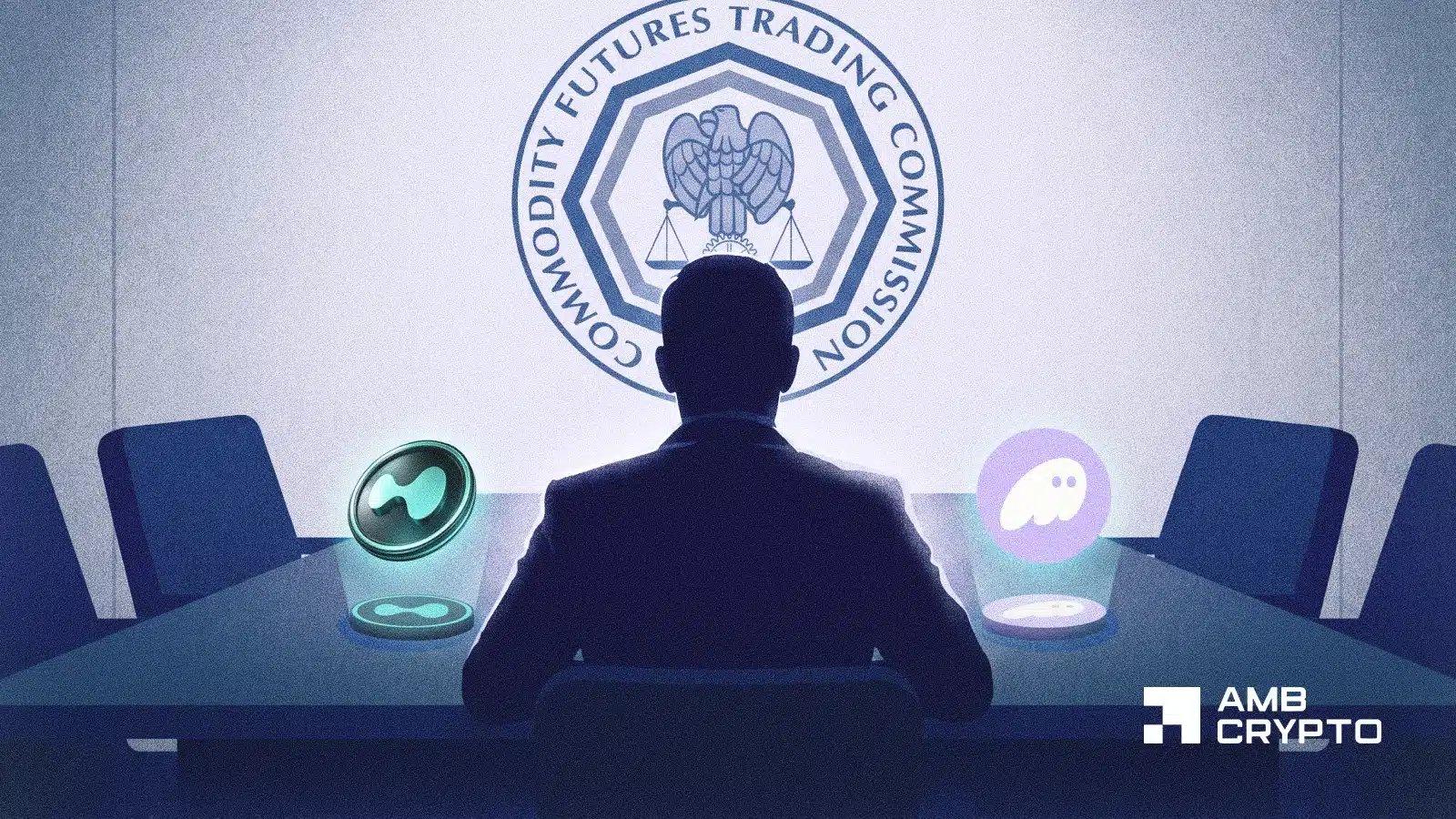
Hyperliquid and Phantom, a Solana-based wallet, are advocating for regulatory changes from the Commodity Futures Trading Commission (CFTC) to enhance the DeFi environment. In a recent letter, they outlined three key requests aimed at improving conditions for decentralized finance.
Key Requests to CFTC
The initial request specifies that the CFTC should avoid classifying non-custodial software developers as brokers. The argument emphasizes that users control their funds rather than the platform itself, meaning that the development of on-chain protocols should not automatically require CFTC exchange or clearinghouse registration. This change would provide critical protections for developers.
Secondly, the two firms requested that the no-action relief, previously granted to self-custodial wallets in March 2026, be formalized as guiding principles. This would benefit non-custodial DeFi platforms like Phantom by allowing them to operate without needing broker-dealer registrations, even when dealing with U.S. tokenized stocks.
Finally, they seek to establish a regulatory framework that enables licensed entities to leverage blockchain technology for trading and settlement processes. Such structural reforms are deemed vital to facilitate innovation in the evolving financial landscape.
The push for these changes is a response to the CFTC's invitation for input concerning barriers preventing fintech collaboration with regulated firms. Both Hyperliquid and Phantom have expressed that ignoring their recommendations could perpetuate existing limitations, thereby hindering U.S. participation in on-chain derivative markets and prompting innovation to shift overseas.
Despite the urgency, the pathway for implementing these requests faces potential legal challenges. Traditional market entities, like the Chicago Mercantile Exchange (CME), have already initiated litigation against the CFTC regarding its approval of crypto perpetual contracts, arguing these should be classified as swaps.
Furthermore, major players including Citadel Securities and associations representing conventional exchanges have voiced opposition to the proposed DeFi exemptions. They maintain that all platforms performing brokerage functions should adhere to the same stringent regulatory requirements, regardless of their technological framework.
This information is intended for educational purposes only and should not be considered financial advice.