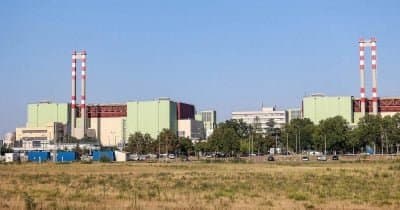
Hungary is on the brink of losing almost 2 gigawatts of nuclear power as the Paks plant prepares for its first full shutdown in 44 years. The Danube River’s water level has dropped to an unprecedented low, depriving the facility of critical cooling water. This unexpected crisis endangers nearly half of Hungary’s electricity supply amid a worsening drought.
Cooling Crisis Forces Paks Offline
The Paks plant relies on the Danube’s water to cool its four reactors, originally built during the Soviet era. With water levels now 28 centimeters below the previous record set in 2018, operations have steadily decreased. Output slid to just 12% of normal capacity in recent days, roughly 240 megawatts. A complete shutdown is likely starting August 2, 2026, marking the first total outage since the plant went online in the early 1980s.
Wider Consequences and Energy Risks
The shutdown threatens up to $632 million in economic damage, a heavy blow for Hungary’s energy landscape. Without Paks, the country will have to import more electricity and rely on natural gas plants to fill the gap during peak summer demand. This scenario echoes France’s 2022 nuclear output cuts caused by warm river water, although France’s extensive reactor fleet provided a buffer. Hungary’s single nuclear facility leaves it uniquely vulnerable.
- Paks output dropped from 2 GW to 240 MW
- Shutdown expected early August 2026
- Economic damage estimated between $316M and $632M
- Increased imports and gas use to cover energy deficit
This event highlights the growing threat that climate change and extreme weather pose to energy infrastructure. As water shortages become more frequent, Europe’s dependence on hydrologically sensitive energy sources could spark more disruptions. Investors should keep an eye on rising energy import costs and shifting demand for natural gas as Hungary adapts.
Material is for informational purposes only and does not constitute financial advice.