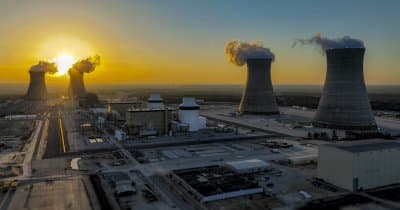
Europe faces a growing energy challenge as relentless heat waves slam the continent, crippling key electricity sources. Nuclear plants in France have been forced to reduce output because river water used for cooling has become dangerously warm. This heat stress spreads to gas, coal, wind, and hydroelectric sectors, all delivering less power than usual.
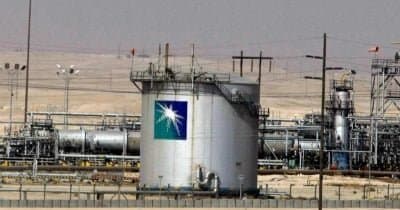
With domestic energy production faltering, Europe is turning sharply toward imported fossil fuels to keep the lights on. This surge in demand coincides with a disruption in oil transport routes. Saudi oil tankers are rerouting around Africa to avoid Houthi attacks in the Red Sea, adding delays and extra costs to shipments. The combination of supply strain and geopolitical risk is pushing crude oil prices upward, with market forecasts hinting at a possible new all-time high before year-end.
Rising Oil Prices Reflect Growing Uncertainty
Current market data shows a 4.9% chance crude oil hits a record high by the end of September, rising to 14.0% by December. Such probabilities underline investor concerns that Europe’s increased dependence on imported fossil fuels could boost global oil demand and intensify price pressure. The ongoing tensions in the Middle East further complicate the outlook, as any escalation could disrupt oil supply lines even more.
Energy watchers are closely tracking how European countries respond. Efforts to stabilize electricity supply and reduce import reliance will be critical in the coming months. also shifts in OPEC production or global demand trends could sway the market’s direction. The evolving situation echoes recent shifts in energy markets, similar to how geopolitical events influenced other sectors’ volatility.
The heat waves expose vulnerabilities in Europe’s energy infrastructure, forcing a tricky balancing act between climate impacts, geopolitical risks, and economic costs.
This material is for informational purposes and does not constitute financial advice.