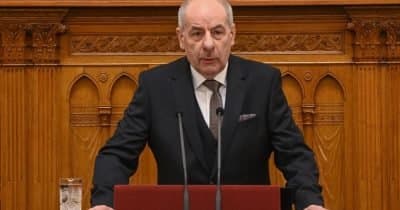
Hungarian President Tamás Sulyok has rejected a parliamentary initiative aimed at terminating his presidency, setting the stage for a potential constitutional crisis. Despite the parliament's recent approval of a constitutional amendment intended to remove him, Sulyok has declared the move unconstitutional and refuses to step down.
Prime Minister Péter Magyar, whose party recently gained a two-thirds majority in elections, has expressed that Sulyok's presidency continues to reflect the influence of the previous regime. He cites a significant decline in public trust as a key reason behind the amendment. If Sulyok does not sign the amendment by the deadline of July 18 19, Magyar plans to proceed with impeachment proceedings, temporarily suspending Sulyok's powers.
Political Implications
Market indicators suggest a growing sentiment that Sulyok may not remain in office, currently pricing in a 79% likelihood of his removal by the end of July. This constitutional amendment marks what many view as a critical shift in Hungary's political landscape, with far-reaching implications for Sulyok's administration.
Should Sulyok continue to resist, the Prime Minister's strategy to initiate impeachment would signal a determined effort to implement parliamentary decisions. Observers are advised to keep a close watch on Sulyok's actions regarding the signing of the amendment, as well as the potential initiation of impeachment proceedings. Additionally, the responses from international institutions, such as the Venice Commission, along with domestic courts, could significantly impact the outcome of this unfolding situation.
As developments continue, market responses are expected to reflect the evolving political climate in Hungary. The outcomes of these key events will be key in shaping the future of the country's governance.
This material is for informational purposes only and does not constitute financial advice.