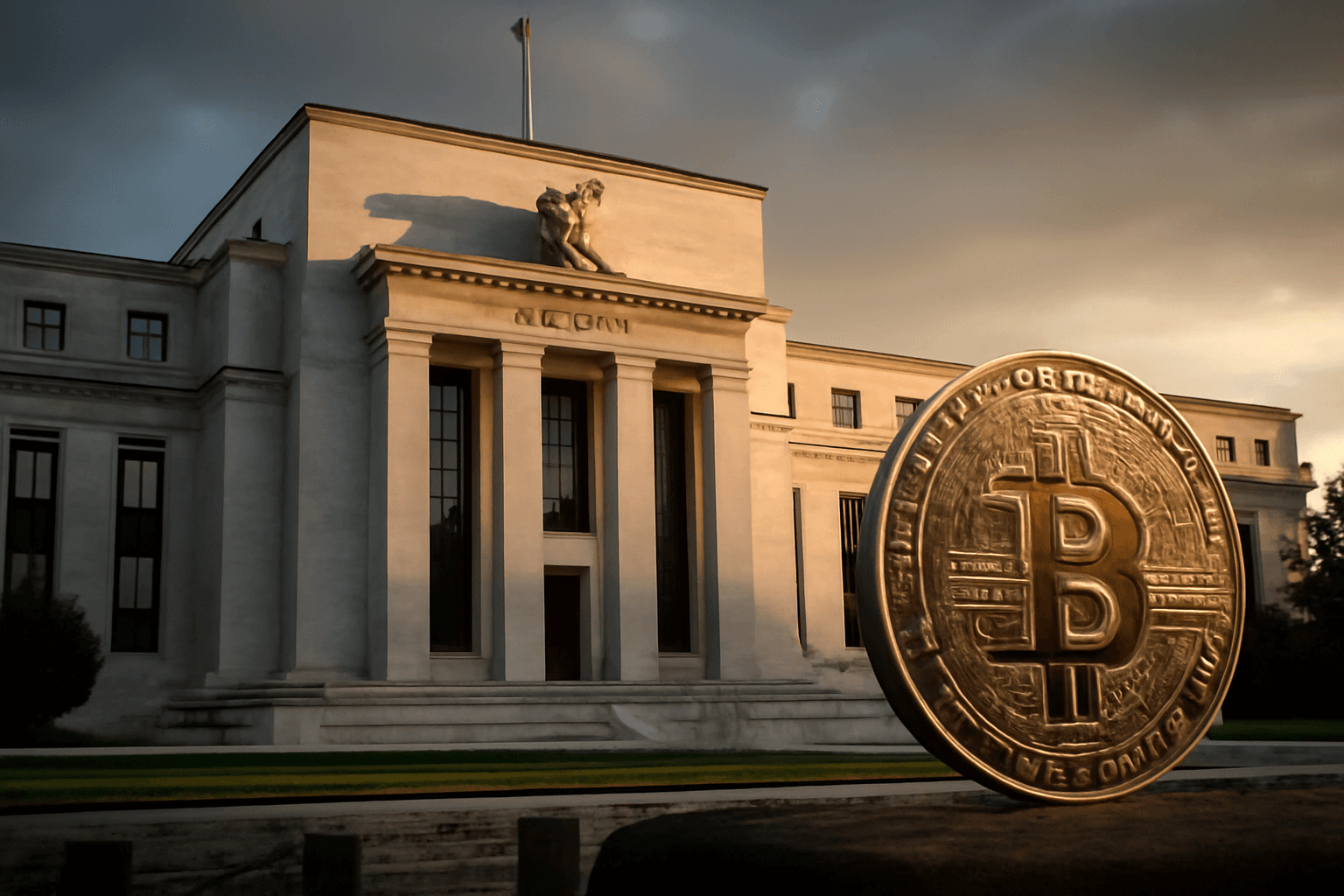
On July 14, Fed Chair Kevin Warsh avoided discussing Section 13(3) when asked if the Federal Reserve would bail out cryptocurrency during a crisis. This statute, which authorizes emergency lending in unusual and exigent circumstances, restricts the Fed from rescuing individual failing stablecoin issuers.
Scope of Section 13(3) and Its 2010 Update
Section 13(3) of the Federal Reserve Act grants the Fed emergency lending powers beyond banks. It was the legal basis for major bailouts like Bear Stearns and AIG in 2008 and pandemic-related facilities in 2020. However, the Dodd-Frank Act amended it in 2010, requiring that emergency lending be broad-based, limited to solvent borrowers, protected by collateral, and approved by the Treasury secretary.
These changes make a targeted bailout of a single stablecoin issuer illegal. Any assistance would have to be market-wide and meet solvency standards that distressed stablecoin issuers likely fail. Thus, the Fed’s emergency power is narrower than commonly believed in the crypto community.
The 2023 intervention that helped restore USDC’s peg did not involve Section 13(3). Instead, it was executed through a different agency tool, underscoring that crypto’s safety net lies outside the Fed’s emergency lending authority.
Representative Brad Sherman’s July 14 questioning highlighted the statute’s limitations, as the Fed explicitly disclaimed interest in the bailout business without clarifying its powers under 13(3). This statute originates from the Great Depression era, designed initially for banks, and its later revisions further restrict its applicability.
Material presented is for informational purposes and does not constitute financial advice.