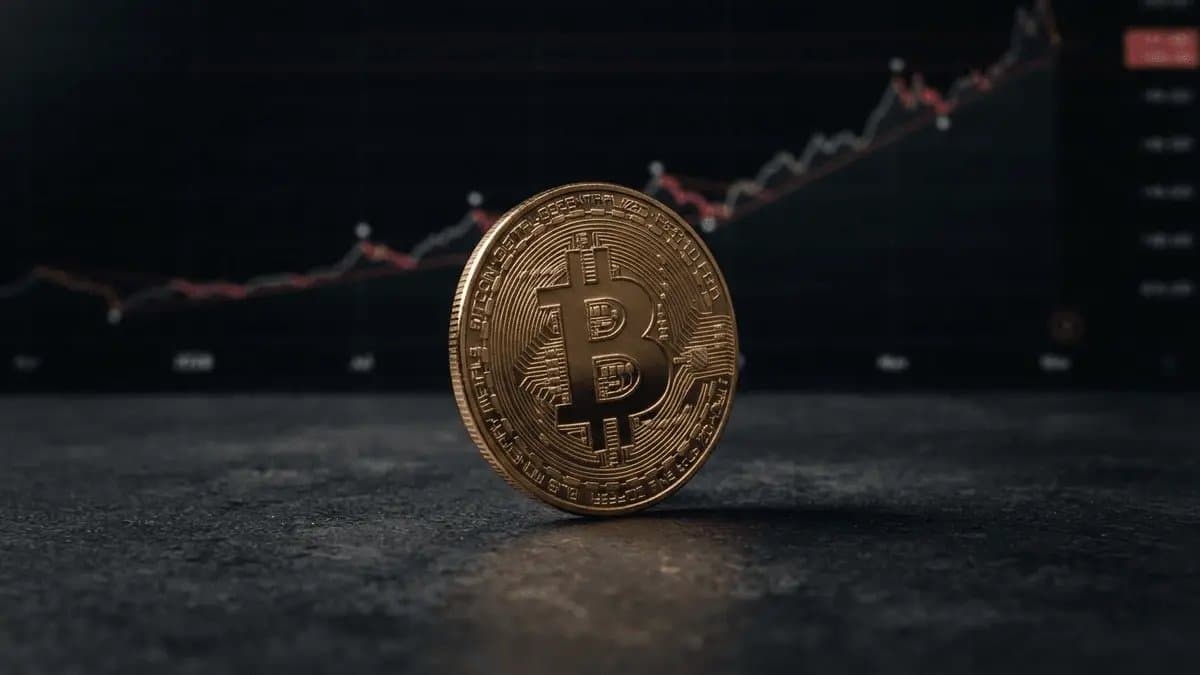
Bitcoin is trading near $64,500 but has yet to break into a bullish trend as rising oil prices and cautious long-term holders maintain pressure on the market. Traditional investors pumped $75.76 million back into Bitcoin between July 13 and 17, though hesitant behavior prevails.
Long-term holders sell at a loss despite reduced pressure
Investors holding Bitcoin for longer than 155 days have been offloading their coins at a loss rather than a profit. On-chain analytics show the 7-day moving average of the Spent Output Profit Ratio (SOPR) for long-term holders at 0.94, indicating these holders are selling at approximately a 6% loss. This is an improvement from earlier in the cycle, when losses reached as much as 27% and the SOPR dropped to 0.73.
Despite reduced selling, long-term holders have not fully committed to a market rebound. Monthly data reveals these investors have incurred a 12% loss since June. Historically, periods of loss-taking like this have often preceded Bitcoin rallies, such as the surges seen in 2020 and 2023 after similar phases.
The Exchange Coin Days Destroyed (CDD) metric shows a dominance of short-term holders moving coins, a signal usually interpreted as bearish due to increased selling pressure. However, in this case, it suggests a calmer market phase as fewer long-term holders are shifting assets. Exchange reserves fell slightly from 2.718 million BTC to 2.704 million BTC, returning to levels last seen around June 24.
Economic and geopolitical concerns add further uncertainty. Inflation has eased recently, but tensions between the US, Iran, and Israel have pushed West Texas Intermediate (WTI) crude oil prices to $85.59, the highest since July 12. The rise in oil costs could constrain market momentum for Bitcoin and other assets.
This material is for informational purposes only and should not be considered financial advice.