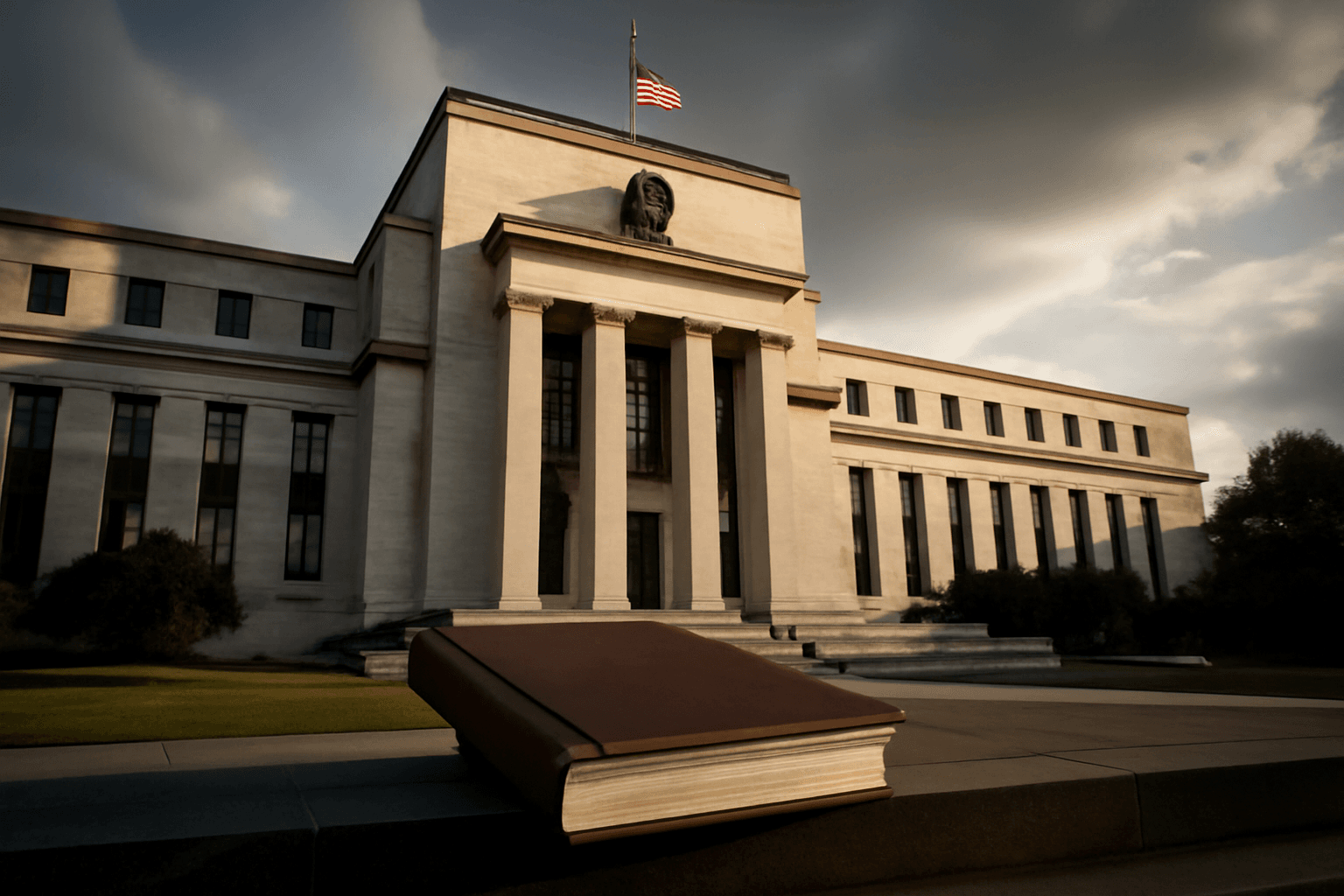
In a recent monetary policy report submitted to Congress, the Federal Reserve provided an assessment of the current state of the U.S. economy, highlighting a renewed acceleration in inflation during the spring of this year. Key factors driving this increase include tariffs, higher energy costs linked to Middle Eastern conflicts, and rapid advancements in artificial intelligence investments, which have contributed to rising price pressures.
The report indicates that inflation has consistently exceeded the Federal Open Market Committee’s (FOMC) long-term target of 2 percent throughout the year. As of May, the Personal Consumption Expenditures (PCE) price index, considered the Fed's preferred indicator of inflation, was reported to be approximately double the target level.
On the other hand, the labor market seems to have reached a state of relative balance, with the unemployment rate reported at a low 4.2 percent in June. The Fed noted that while supply and demand in the labor market are largely aligned, demographic shifts continue to pose challenges. Notably, a marked decline in migration and decreasing labor force participation rates, driven by an aging population, are constraining growth in labor supply.
This report signifies the first monetary policy evaluation presented to Congress under new Fed chairman Kevin Warsh, who is set to testify before congressional committees next week. The semi-annual reviews, usually conducted in the spring, were delayed due to prior tensions between former Fed chairman Jerome Powell and President Donald Trump.
Although the Fed has maintained steady interest rates since December, escalating inflation concerns are prompting market expectations for potential rate hikes later this year. The report also discusses the short-term impacts of artificial intelligence on inflation. While Warsh posits that the technology could enhance productivity and potentially decrease inflation in the long run, he acknowledges that, in the near term, the demand for electricity and investments in chips and infrastructure are driving up price pressures.
This material is informational and should not be considered financial advice.