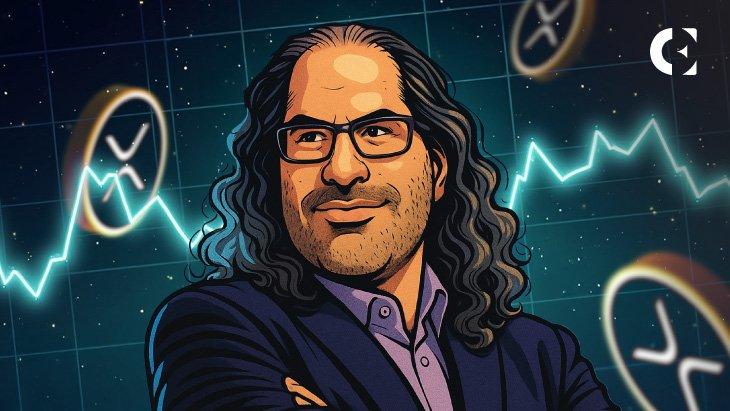
David Schwartz, former CTO of Ripple, defended the company’s strategy regarding XRP, asserting that its diversification ultimately benefits XRP holders. This defense arose during discussions surrounding Ripple's expansion into RLUSD and recent acquisitions, which have reignited the debate about whether these moves provide value to XRP holders or primarily benefit shareholders.
Schwartz contended that Ripple’s revenue generation from various business ventures, while maintaining substantial XRP holdings, positively influences the long-term valuation of XRP. This comes in light of an AI analysis suggesting that Ripple is shifting from positioning XRP at the core of its business, especially since the SEC lawsuit, and instead is leveraging XRP’s value to bolster its payments and software operations.
He argued against criticisms suggesting that Ripple’s strategy undermines XRP by highlighting the risks of relying too heavily on XRP sales during market downturns. Schwartz noted that a decline in XRP prices could limit Ripple's financial flexibility and investment capacity. Moreover, he maintained that the company’s predictable escrow release schedule for XRP has provided liquidity, despite some seller frustrations.
Ongoing Debate Among XRP Supporters and Critics
The dialogue surrounding Ripple's strategy has also revived tensions between supporters and critics of XRP. Lawyer Bill Morgan stated that fears about a conflict between XRP holders and Ripple shareholders are overstated, pointing out that XRP’s value has significantly increased since its inception in 2013, despite Ripple’s ongoing sales of the token.
Conversely, Chainlink community member Zach Rynes argued that while Ripple’s sales of XRP facilitate company growth, they favor shareholders who can directly benefit from the firm’s success. He expressed concern that XRP's original role as a bridge currency is diminishing as stablecoins like RLUSD gain traction in payment processes. Morgan refuted this argument, emphasizing that it simplistically undermines Ripple’s broader business model and fails to capture the complete narrative of XRP's market performance.
This article is for informational purposes only and does not constitute financial advice.