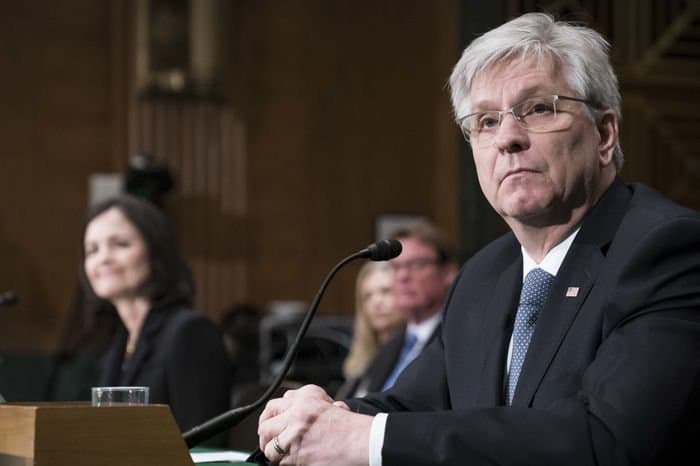
Christopher Waller, a member of the Federal Reserve Board, has called for a reevaluation of the Fed's inflation targets, proposing a range of 1.5% to 2.5% instead of the current fixed target of 2%. Waller emphasized that it may be unrealistic for central banks to aim for a singular inflation figure, as the existing target can lead to rigid assessments of monetary policy effectiveness. He believes that a flexible range better accommodates economic fluctuations and the inherent volatility of inflation data.
In addition, Waller suggested adjustments to the schedule for releasing dot plots, which reflect the interest rate forecasts of Federal Reserve officials. He hinted at the possibility of delaying the median interest rate forecast publication to the day following FOMC meetings. This change could help the market focus initially on the interest rate decisions and remarks from the Fed Chairman, enabling a more thoughtful evaluation of individual rate forecasts by the officials.
Addressing the upcoming inflation data release, Waller indicated his intention to prioritize any new high figures over lower ones in his analysis. He noted that inflation levels have consistently remained elevated for the past five to six months, indicating that a new surge should not be dismissed as merely a temporary anomaly. “If we see another high figure, I would consider it a signal, not just noise,” Waller stated. He warned against jumping to conclusions if inflation data comes in under expectations, suggesting that a single low reading would not suffice to confirm a trend reversal. Waller asserted that further data over the next few months may be necessary to ascertain whether any decline in inflation is sustainable.
Considering the potential impact, Waller cautioned that another spike in core inflation could prompt policymakers to deliberate on raising interest rates sooner than anticipated. This proactive stance highlights the Fed's ongoing responsiveness to economic indicators amidst fluctuating market conditions.
This article is informational and not financial advice.