The South Korean government plans to allocate a historic budget of 800 trillion won, equivalent to $531 billion, for the year 2027, driven by an increase in tax revenue from the rapidly expanding AI chip sector. This budget represents a more than 10% increase from the previous year’s spending.
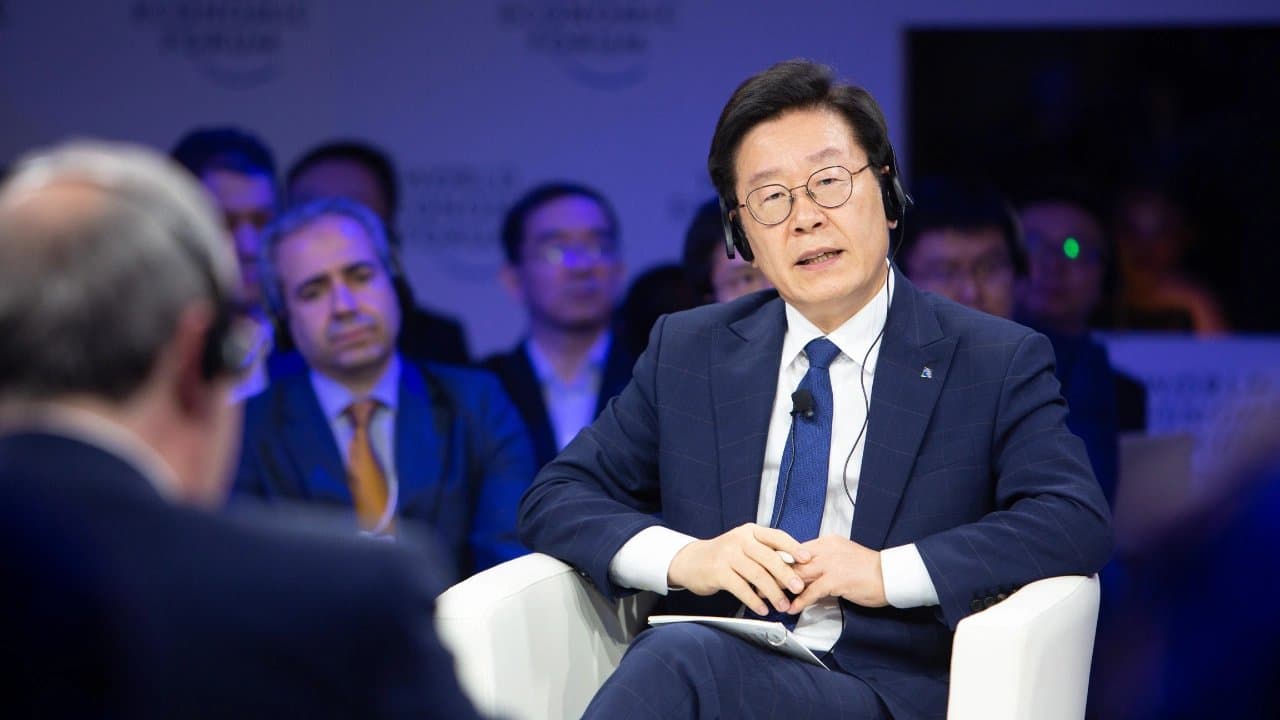
President Lee Jae-myung's administration outlined that this substantial budget would be supported by a surge in tax revenues generated by the country's AI chip production. The Budget Minister, Park Hong-keun, has projected that national tax revenue will rise to at least 500 trillion won, surpassing initial expectations of 412 trillion won, largely due to heightened demand for high-bandwidth memory chips from major companies like SK Hynix and Samsung Electronics.
Fiscal Strategy and Spending Cuts
To balance this budget increase, approximately 50 trillion won ($33.2 billion) will be cut from existing spending. This is double the amount reduced in the previous year and will involve a comprehensive review of underperforming programs and discretionary expenses. The government aims to streamline its fiscal responsibilities while simultaneously investing in sectors crucial for future economic growth.
Future Response Fund: A New Initiative
In conjunction with the budget announcement, President Lee introduced the Future Response Fund, designed to manage excess tax revenue effectively. This fund will focus on reinvesting resources into strategic areas such as youth initiatives, regional development, and education, aligning with the country’s ambitions to become a leader in the global AI landscape.
Lee has previously indicated a vision to spend approximately $1 trillion on advancements in chips, robotics, and data centers in partnerships with South Korea's leading tech firms. Such investments reflect a broader strategy to capitalize on the benefits of AI technologies and reinforce South Korea's position in the global market.
This material is for informational purposes only, not financial advice.