The Federal Reserve is expected to raise interest rates due to persistent economic growth and inflation pressures, according to Joe Lavorgna, Chief Economist at SMBC. Recent data shows inflation declining less than anticipated, but core inflation remains a concern.
During a CNBC discussion, experts asserted that the Fed must abandon its plans for interest rate cuts and instead tighten monetary policy. Lavorgna highlighted strong retail sales and low jobless claims as indicators of a solid labor market, suggesting that the economy is thriving.
Last year, the Fed lowered interest rates by 75 basis points to address employment concerns, which Lavorgna now believes are no longer valid. He emphasized the uncertainty surrounding inflation forecasts compared to six to seven months ago, stating, “Throughout history, inflation has never magically fallen back to the target level in an economy growing at or above the trend level.”
Lavorgna's prediction indicates that the Fed, under the leadership of Kevin Warsh, will need to act decisively this year. He stated, “In my view, the Fed has to raise interest rates.”
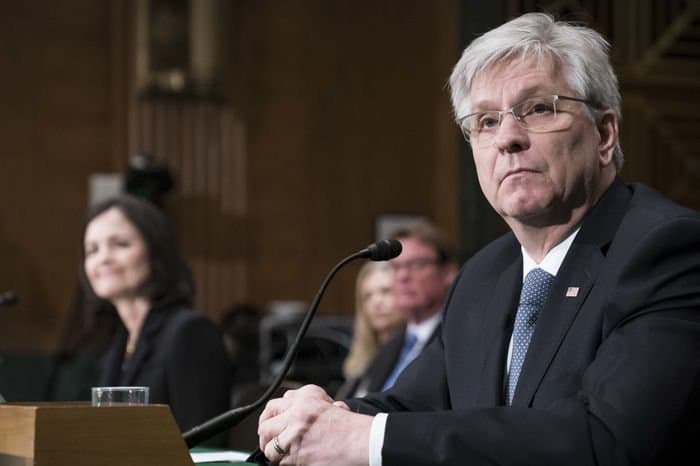
Supporting Lavorgna’s position, former Treasury official Natasha Sarin pointed out that Warsh's recent comments shows this expectation. She noted his congressional testimony, warning against overemphasizing single data points like recent lower-than-expected inflation.
Sarin remarked, “Warsh signaled that the Fed will use all the power at its disposal to fulfill its price stability mandate.” This indicates a shift back to Warsh’s previous focus on inflation management.
Additionally, Sarin challenged the notion that alternative monetary tools could effectively control inflation without adjusting interest rates. He deemed these alternatives untested, emphasizing that the Fed's inflation target of 2% has not been achievable since the pandemic, compounded by inflationary decisions such as tariffs.
This is not investment advice.