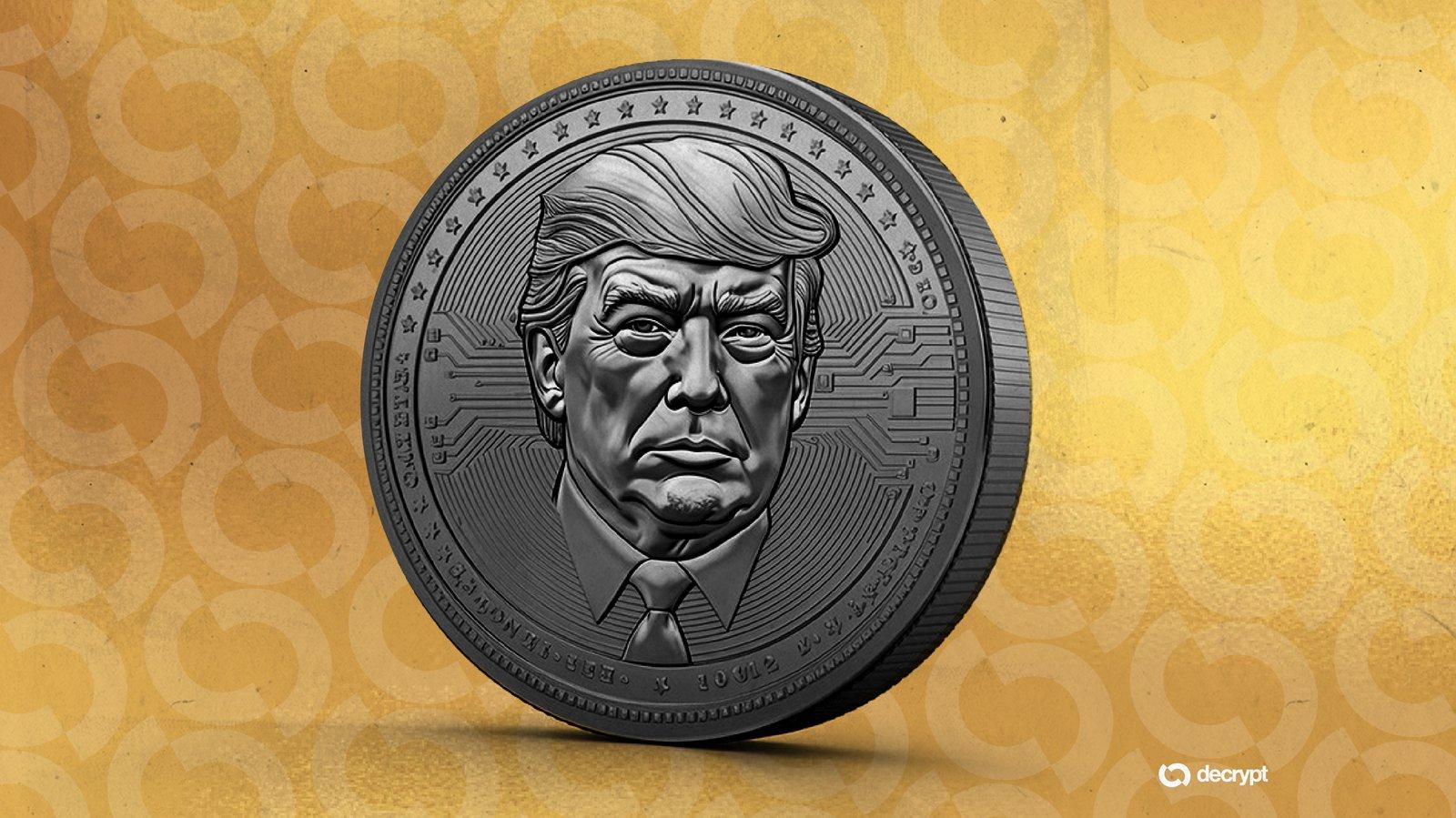
Experts Analyze Tokenized Asset Market Liquidity Challenges
A BeInCrypto report reveals $60 billion in tokenized assets but highlights significant liquidity issues within the market.
A recent report from BeInCrypto Intelligence reveals the current landscape of tokenized real-world assets (RWAs), indicating a market valuation of approximately $60 billion across over 7,000 products and 12 asset classes. However, the report also highlights significant liquidity issues, revealing that just 62 assets account for 88% of the total market value.
The dominance of a few products is notable, with five key offerings—Figure HELOC, Circle USYC, Tether Gold, BlackRock BUIDL, and Justoken JMWH—making up nearly half of the market. This concentration raises concerns about overall market health and accessibility.
Market Activity and Accessibility
The report outlines a stark activity gap within the market. Out of 1,289 tokenized assets valued above $100,000, a substantial 910, worth $32.9 billion, reported no weekly transfers. Additionally, 97% of the market remains inaccessible to U.S. retail investors, with only about $1.7 billion legally available for them.
Tokenized Stocks and Ownership Concerns
While the number of tokenized stocks is on the rise, the study finds that 59% of these stock tokens offer synthetic exposure to prices, lacking actual ownership of the underlying shares. This brings into question the authenticity and value proposition of certain tokenized equities.
Industry Insights
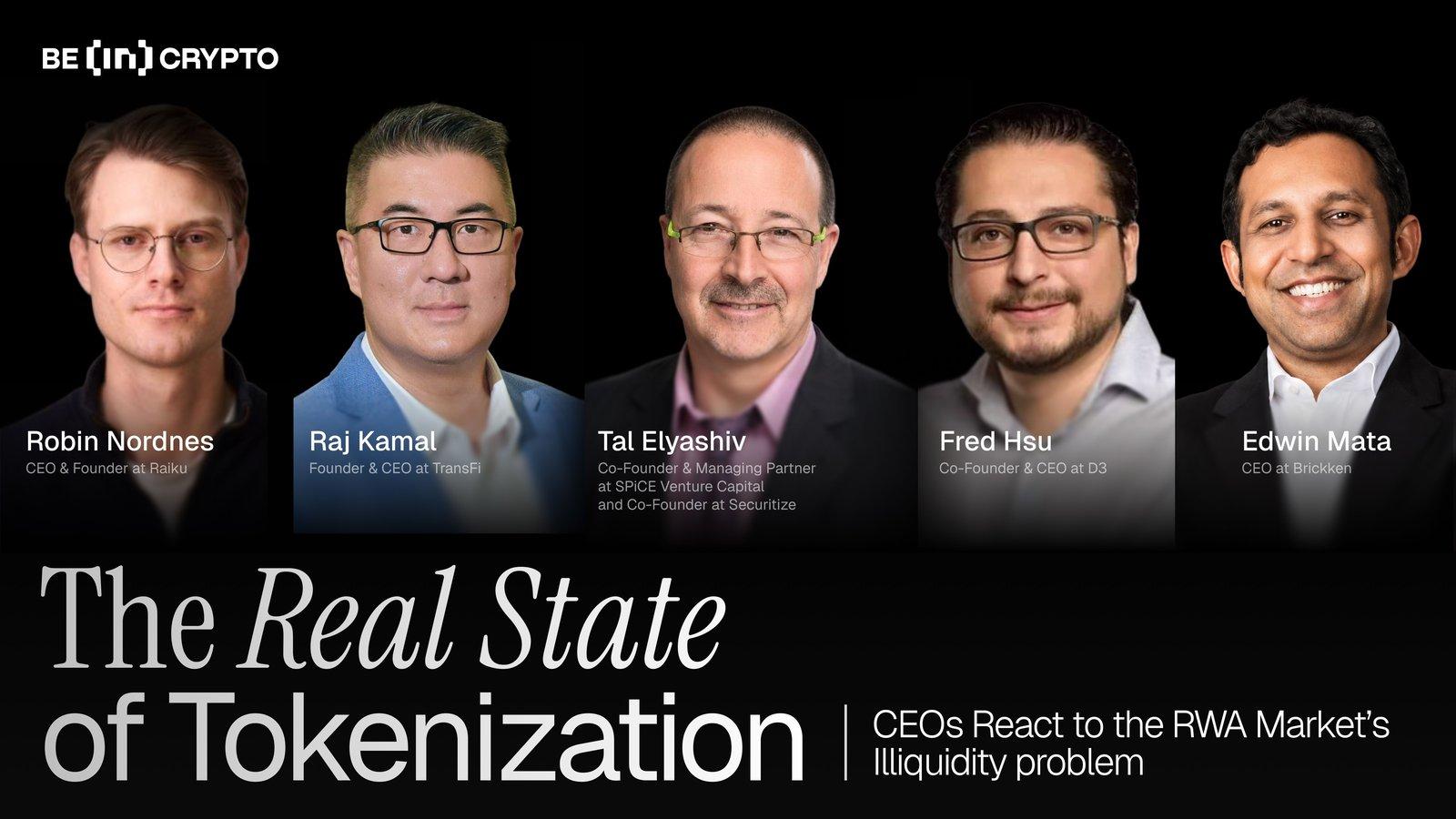
To gain a deeper understanding, BeInCrypto consulted five industry leaders about the liquidity concerns raised in the report. Tal Elyashiv, Co-Founder of Securitize, stresses that the fundamental problem lies in the structure of tokenization. Elyashiv argues that without full ownership, tokenization fails to serve its intended purpose.
He emphasizes that many early tokenized assets were aimed at institutional audiences rather than public trading. This focus on institutional-grade infrastructure and compliance may explain the low transfer activity reported. Elyashiv believes that a transition to broader distribution is impending, contingent on proving the resilience of earlier phases of tokenization.
In summary, while tokenization shows promising growth, the findings suggest that liquidity issues and accessibility remain critical challenges as the market evolves.