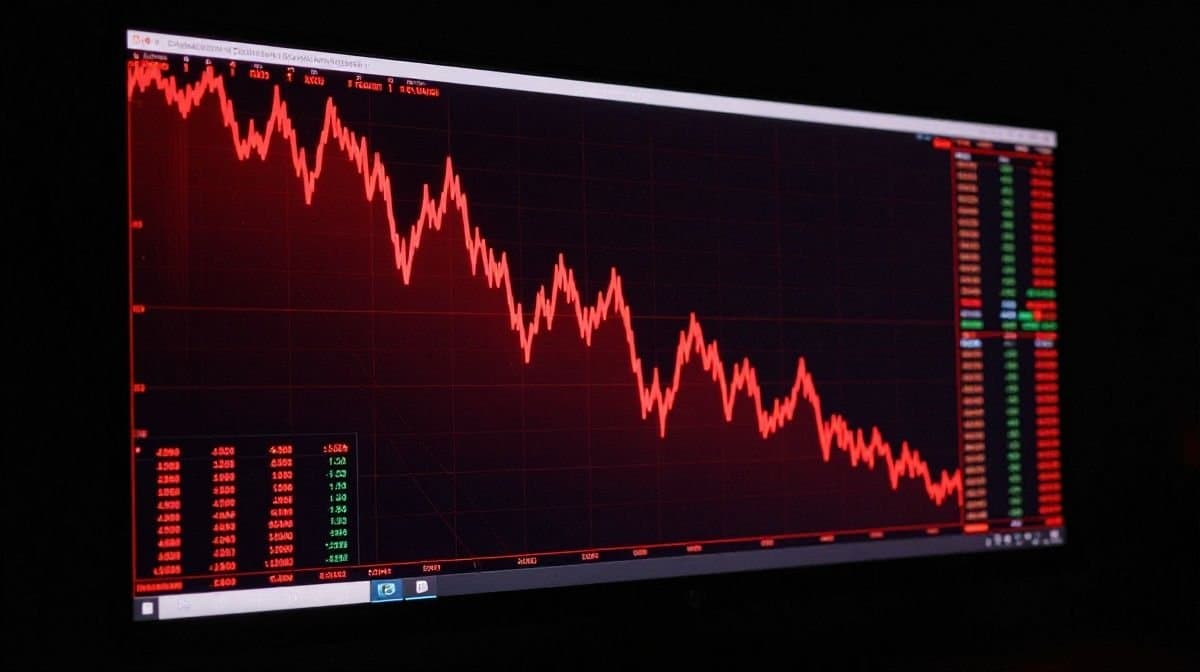
The DeXe (DEXE) governance token experienced a dramatic collapse, losing approximately 85% of its value within hours after reaching an all-time high of $48.89 on July 13, 2026. The token plunged to around $4 to $5, wiping out billions in nominal market capitalization and sharply underperforming the broader crypto market.
DEXE's price surged rapidly from July 9 after its exchange listing, peaking in a parabolic move driven by a short squeeze. However, the rally quickly reversed with the token undergoing successive steep declines: a 10% slide, followed by 30%, then a 58% plunge, culminating in a near-vertical collapse from the mid-$30s to single digits.
Despite the severity of the drop, no hack, exploit, or negative news has been confirmed to explain the crash. Analysts attribute the plunge to concentrated selling pressure, likely by large holders exiting positions in a thin and overextended market. The rally appeared disconnected from fundamentals, fueled instead by listing hype and short covering, raising concerns about sustainability.
Questions about a potential rug pull intensified across crypto forums as the swift decline resembled classic liquidity drain scenarios. However, the documented behavior aligns more closely with a parabolic blow-off unwinding through large sell-offs rather than an explicit developer exit or liquidity drain attempt. Some community members described the collapse as if the token had been 'rugged' due to its rapid free fall.
Additional warnings had emerged before the crash, including inactivity on the project's white paper and GitHub repositories for years, and analysts labeling DeXe as an outdated project recycled with heavy pumping in the current cycle. This pattern is often associated with sudden shakeouts after exuberant runs.
Regulatory debates continue to shape the crypto environment as projects like DeXe face volatile market conditions. The incident highlights risks for traders exposed to tokens propelled by speculative dynamics rather than solid fundamentals.
This article is for informational purposes and does not constitute financial advice.