Debate Emerges Over Bitcoin's Purpose Amid BIP-110 Proposal
Ordinals developers are preparing for a potential conflict with BIP-110, which aims to impose limits on data storage on the Bitcoin blockchain.
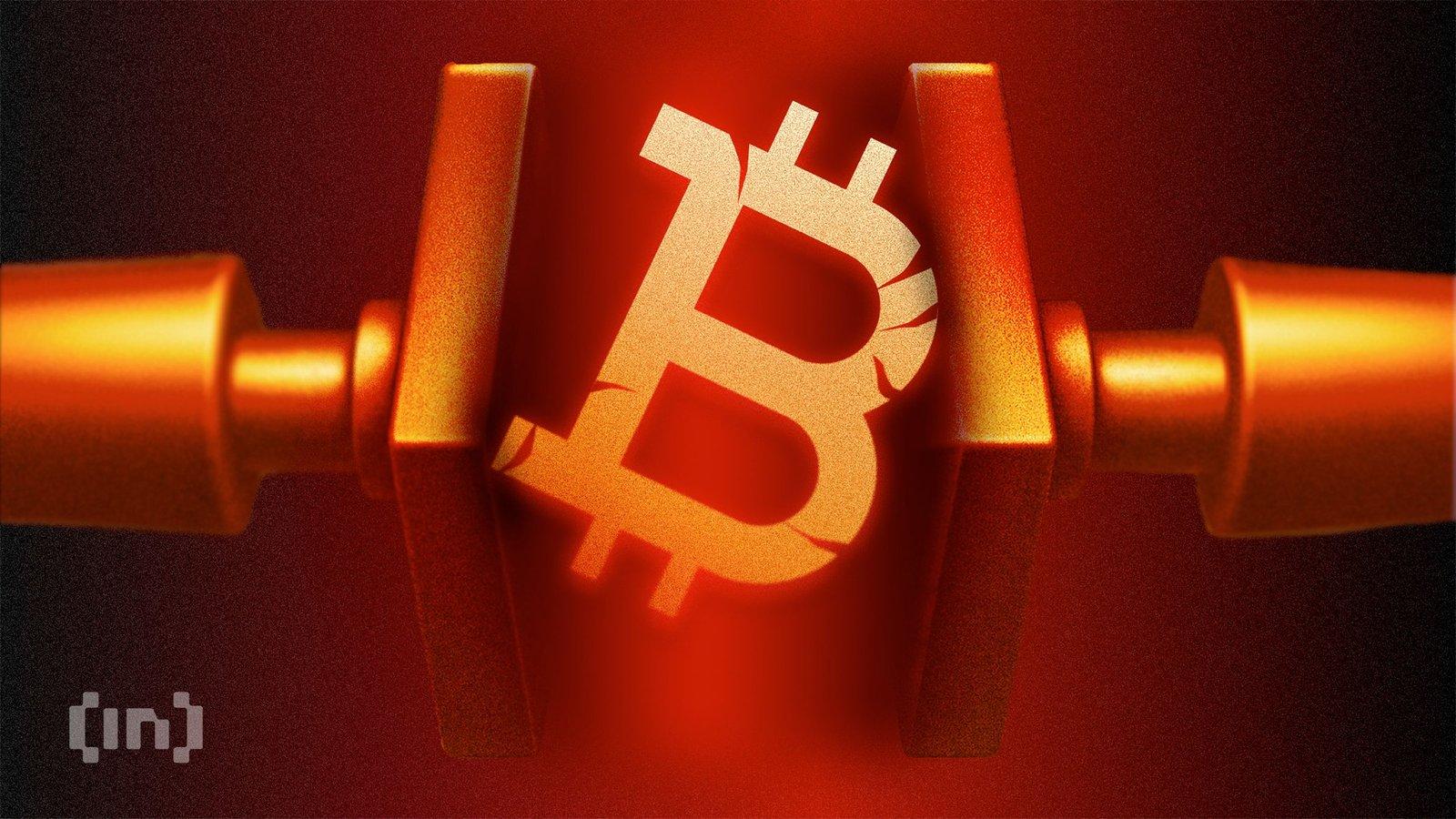
Developers of Ordinals assert their technology will endure despite BIP-110, a proposed rule modification that seeks to restrict file storage on Bitcoin. This conflict revolves around an essential question: Should Bitcoin (BTC) function solely as a currency, or should it accommodate other forms of payment?
Inscriptions permit the storage of images and text on the Bitcoin blockchain, resembling NFTs. If passed, BIP-110 would prohibit most of such data for a period of one year. Proponents label this practice as spam, whereas detractors advocate for Bitcoin's accessibility to all users.
Implications of BIP-110 on Bitcoin Transactions
Under the current framework, every Bitcoin transaction can transmit additional data, which inscriptions utilize to immortalize pictures and messages. The proposed regulation intends to limit this additional space to 256 bytes per item, equivalent to a brief paragraph of text. Such a constraint would disrupt the storage technique employed by current inscriptions. While the proposal would be effective for one year, it would deactivate automatically thereafter, and past coins would remain unaffected.
Dathon Ohm, the pseudonymous author of the proposal, credits Luke Dashjr, maintainer of Bitcoin Knots, for the initial draft. Miners express their opinions through the addition of a small flag to the mined blocks, requiring 1,109 flagged blocks out of 2,016 within a two-week timeframe for activation. As of June 30, public monitoring recorded a mere three flagged blocks, constituting less than 1% support.
Current Voting Landscape and Potential Consequences
Since voting commenced in December 2025, support for BIP-110 has never surpassed 1%. The highest recorded support in a two-week interval was 0.79% in mid-June. Additionally, it is noteworthy that this proposal does not require a majority for activation; commencing in early August, computers running BIP-110 software will reject blocks without the requisite flag.
Blockstream CEO Adam Back has cautioned against the risks of a fork, suggesting the possibility of Bitcoin splitting into two separate versions. Similarly, Michael Saylor, CEO of MicroStrategy, branded the initiative as a self-inflicted danger. Dashjr presented the scenario as critical, asserting that failure of BIP-110 would signify failure for Bitcoin altogether, emphasizing that a Bitcoin unable to reject spam loses its distinguishing characteristics.
Preparation by Ordinals Developers
In response to the proposed changes, Ordinals developer lifofifoX shared a fix on July 2 that allows data storage in a manner compliant with the new limitations. This solution divides files into small permitted segments, thus allowing inscriptions to function even if BIP-110 is enacted. Casey Rodarmor, the creator of Ordinals, endorsed the fix on the same day, expressing approval for its implementation post-activation of BIP-110.
On the flip side, proponents of BIP-110 have already submitted a counter-update to Bitcoin Knots, the primary software used by supporters of the proposal. They purport that the software will not recognize the new format, allowing it to bypass the size restrictions.