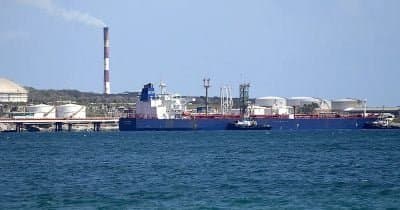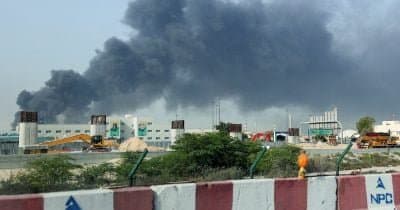
Following an Iranian attack, multiple power generation units in Kuwait have been impacted, raising concerns over the stability of infrastructure in the Gulf region. This incident marks a continuation of hostilities that have previously targeted Kuwaiti power and water facilities, with reported casualties.
Context of Aggression
The recent assault on Kuwait's energy infrastructure aligns with Iran's ongoing retaliatory strategy after U.S. and Israeli operations within its borders earlier this year. In March and April 2026, similar strikes resulted in considerable material damage and even a fatality, indicating a pattern of aggressive posturing by Iran.
Implications for Diplomacy and Market Pricing
These developments could hinder diplomatic efforts to resolve tensions surrounding Iran's nuclear program. Current market perceptions relate to a potential uranium enrichment agreement, which now has about a 20.5% chance of being reached by the December 31, 2026 deadline. This decreased likelihood reflects increased geopolitical risk stemming from recent incidents.
- Ongoing scrutiny of U.S.-Iran relations is essential.
- Monitoring any diplomatic efforts from regional players such as Oman and Turkey will be crucial.
- Shifts in U.S. policy regarding Iran may notably impact market dynamics.
Future escalations in retaliatory actions from Iran, alongside military responses from Gulf states, will be important indicators for assessing the region’s stability.
This material is informational and should not be considered financial advice.