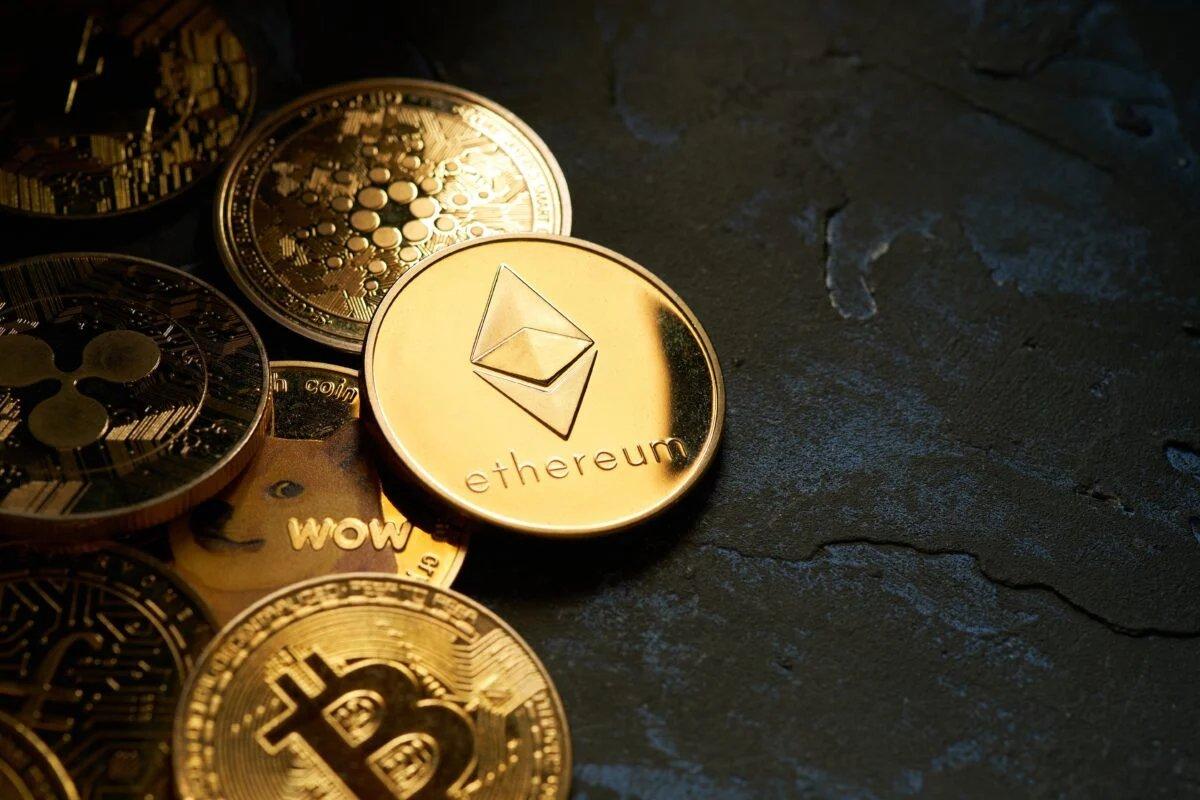
Ethereum and Solana represent two distinct approaches in the cryptocurrency landscape, each attracting investor interest for different reasons. Ethereum, recognized as the leading blockchain for smart contracts, has gained significant institutional support, resulting in a robust decentralized finance (DeFi) ecosystem. Conversely, Solana has emerged rapidly, boasting the capability to process thousands of transactions per second at minimal cost, making it especially appealing for applications in gaming and consumer services.
Ethereum's transition to a Proof-of-Stake model has drastically reduced its energy consumption and prompted investors to earn rewards through staking. While its developer community remains the largest in the crypto space, the downsides include higher transaction fees during peak times and slower processing speeds compared to newer blockchain technologies.
On the other hand, Solana was specifically designed to address these limitations by offering a platform that excels in speed and affordability. Its rising popularity among developers and institutional players positions it as a formidable competitor to Ethereum. However, Solana’s smaller ecosystem and the need for ongoing network expansion highlight potential vulnerabilities.
Risk Assessment and Growth Potential
From an investment perspective, Ethereum typically carries a lower risk due to its established presence in areas like institutional finance and complex applications. With the increasing integration of blockchain into the global financial system, Ethereum appears well-positioned to capitalise on this growth.
In contrast, investing in Solana may yield higher returns, as it is earlier in its development phase. Should the trend of developer engagement continue and user adoption increase, the risk-reward dynamic could favor Solana despite its inherent volatility.
Investment Strategies: Hold or Choose?
Many long-term investors opt to diversify their portfolios by holding both Ethereum and Solana, recognizing that each ecosystem fulfills different needs. This approach minimizes the risk associated with committing to a single blockchain while allowing investors to benefit from the unique advantages of each.
For those prioritizing stability and an established framework, Ethereum is recommended. Alternatively, investors seeking higher growth with an acceptance of increased risk might find Solana attractive. Ultimately, the best choice depends on one’s investment objectives, risk appetite, and time horizon.
This content is informational and should not be considered financial advice.