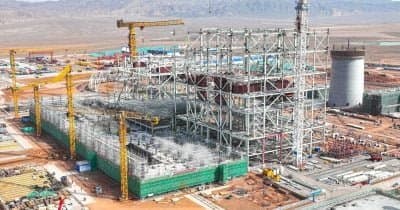
“China is making strides in renewable energy, yet the addition of 78 GW of coal power in 2025 raises eyebrows,” noted an industry analyst. This significant increase in coal capacity comes alongside a remarkable 430 GW rise in wind and solar energy, showcasing a complex energy strategy aimed at ensuring reliability while transitioning to greener sources.
The dual-track approach reflects China’s ongoing struggle to balance its economic growth with environmental commitments. Despite the impressive expansion of renewable energy, the reliance on coal remains a critical aspect of China's energy portfolio, indicating challenges in fully aligning production with its climate goals. The new coal plants are expected to help stabilize power supply amidst growing demand, but they also raise questions about the nation’s long-term sustainability.
Market responses have been mixed as investors remain cautious about China’s economic outlook. The current energy strategy may influence GDP growth predictions, with analysts closely watching policy decisions from prominent political figures like Premier Li Qiang and President Xi Jinping. Shifts in energy strategy or potential economic stimulus measures could significantly impact market sentiment moving forward.
As observers track these developments, attention will also be focused on updates regarding China’s international commitments and any changes in its emissions targets. The dynamics of China’s energy sector will play a key role in shaping global energy trends in the coming years.
This material is informational and not financial advice.