Elon Musk denied it. Called the reports "absurdly fake news." But the structural problem remains real. Tesla's Shanghai Gigafactory, the company's most productive plant globally, sits at the center of a geopolitical minefield that could derail any merger with SpaceX.
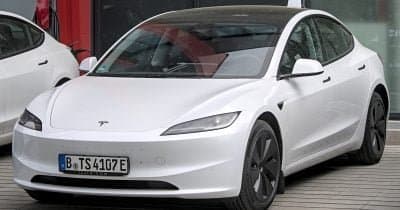
The Shanghai facility isn't some side operation. It accounts for a massive chunk of Tesla's vehicle deliveries and anchors the company's supply chain across Asia. Combining that with SpaceX, which relies heavily on U.S. government contracts and defense relationships, creates regulatory nightmares neither company wants to publicly acknowledge. Chinese authorities scrutinize foreign ownership of sensitive operations. American regulators scrutinize anything touching defense. A merged entity controlling both would face pressure from both sides.
The separation gambit
Reports surfaced suggesting Tesla might spin off its China business to clear a path for the merger. Musk shot that down immediately. Yet market pricing tells a different story. Traders have quietly lowered odds on a near-term merger announcement, factoring in the operational friction Tesla's China footprint creates.
The denial doesn't erase the underlying complexity. SpaceX's government ties run deep, from NASA contracts to national security work. Tesla's China exposure means any merger would instantly become a bilateral geopolitical issue. Regulators in Beijing would need to approve ownership changes. Washington would need assurances about defense implications. Neither approval process moves fast.
Markets will watch for official statements from either company, SEC filings, or board moves that might signal a workaround. Any shift in Tesla's China operations could suggest a pathway forward. But right now, the gap between what Musk says publicly and what the numbers suggest remains wide.
This article is for informational purposes only and does not constitute financial or investment advice.