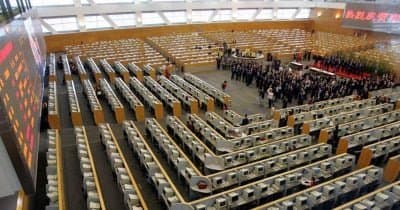
Beijing has intensified its intervention in the faltering domestic equity market by increasing capital injections through state-backed entities. Central Huijin Investment declared plans to expand its holdings in A-shares, aiming to supply "patient capital and long-term capital" amidst mounting selling pressure.
Background and Market Impact
This strategy echoes actions from 2015, when a coalition of government-backed institutions, often called the "national team," invested approximately RMB 1.6 trillion (around $220 billion at that time) to arrest stock declines. Prominent among these players were China Securities Finance Corp and Central Huijin, which took stakes in over 1,000 companies. By the end of the third quarter of 2015, these holdings accounted for about 4.3% of the total market capitalization of firms listed domestically.
Studies of the 2015 intervention reveal that the targeted stateship reduced price volatility by roughly 3.45% on average, an effect that persisted through at least 2017. However, the government was left managing substantial equity positions it had not originally intended to retain, requiring careful unwinding over several years to prevent renewed market instability.
The Chinese equity market is dominated by retail investors prone to herd behavior. Negative sentiment triggers cascades of selling enhanced by margin calls, driving prices lower. The current deployment of state resources appears to aim at curbing this vicious cycle.
China’s regulatory stance on crypto remains strict. Since banning crypto exchanges and initial coin offerings in 2017, and declaring all cryptocurrency transactions illegal in 2021, Beijing has excluded digital assets from state market support plans. Blockchain technology continues to find use in government-approved sectors such as the digital yuan system and supply chain verification, but decentralized cryptocurrencies operate outside official endorsement.
Investors should monitor the scale and duration of state fund purchases. Should state holdings approach the 4.3% market-cap threshold seen in 2015, it may indicate deeper market distress than government messaging acknowledges.
This article is for informational purposes and does not constitute financial advice.