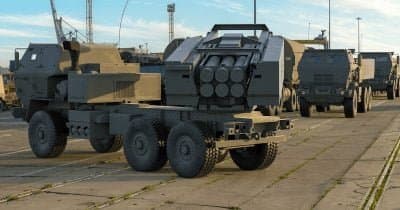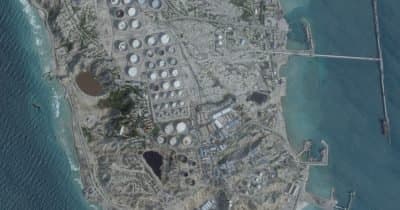
Brent crude oil prices surged to $88.26 per barrel following a series of Iranian attacks near the Strait of Hormuz, intensifying geopolitical tensions in the Middle East. The U.S. responded with targeted air raids against Iran, which retaliated by launching missiles at countries hosting American forces.
Geopolitical Impact on Oil Markets
The Strait of Hormuz remains a critical chokepoint for global energy supplies, and the recent escalation has driven oil prices closer to the $100-per-barrel mark not seen since May. This comes after Brent crude had fallen near $70 earlier in July. Meanwhile, average gasoline prices in the United States climbed back to $4 per gallon amid these developments.
Market observers express concern that without a de-escalation, oil could face further upward pressure. Despite past buffering from exports in unaffected areas and the utilization of strategic reserves, the current conflict poses renewed risks.
Declining U.S. Strategic Petroleum Reserve
The U.S. strategic petroleum reserve has plunged to its lowest level in 40 years, with stocks dropping from an authorized 714 million barrels to roughly 316.5 million by mid-July. The reserve decreased by 3 million barrels in the week ending July 10 alone. At this pace, the reserve could be exhausted in just over 100 days, with some reports suggesting as few as 43 days remain due to the conflict’s impact.
Speculation mounts about the possibility of a ceasefire, with some U.S. officials indicating that Iran’s increased missile activity may signal dwindling ammunition supplies. Political analysts also predict that the U.S. administration might seek a truce to avoid a complete depletion of vital oil reserves, especially ahead of upcoming elections.
This content is informational and does not constitute financial advice.