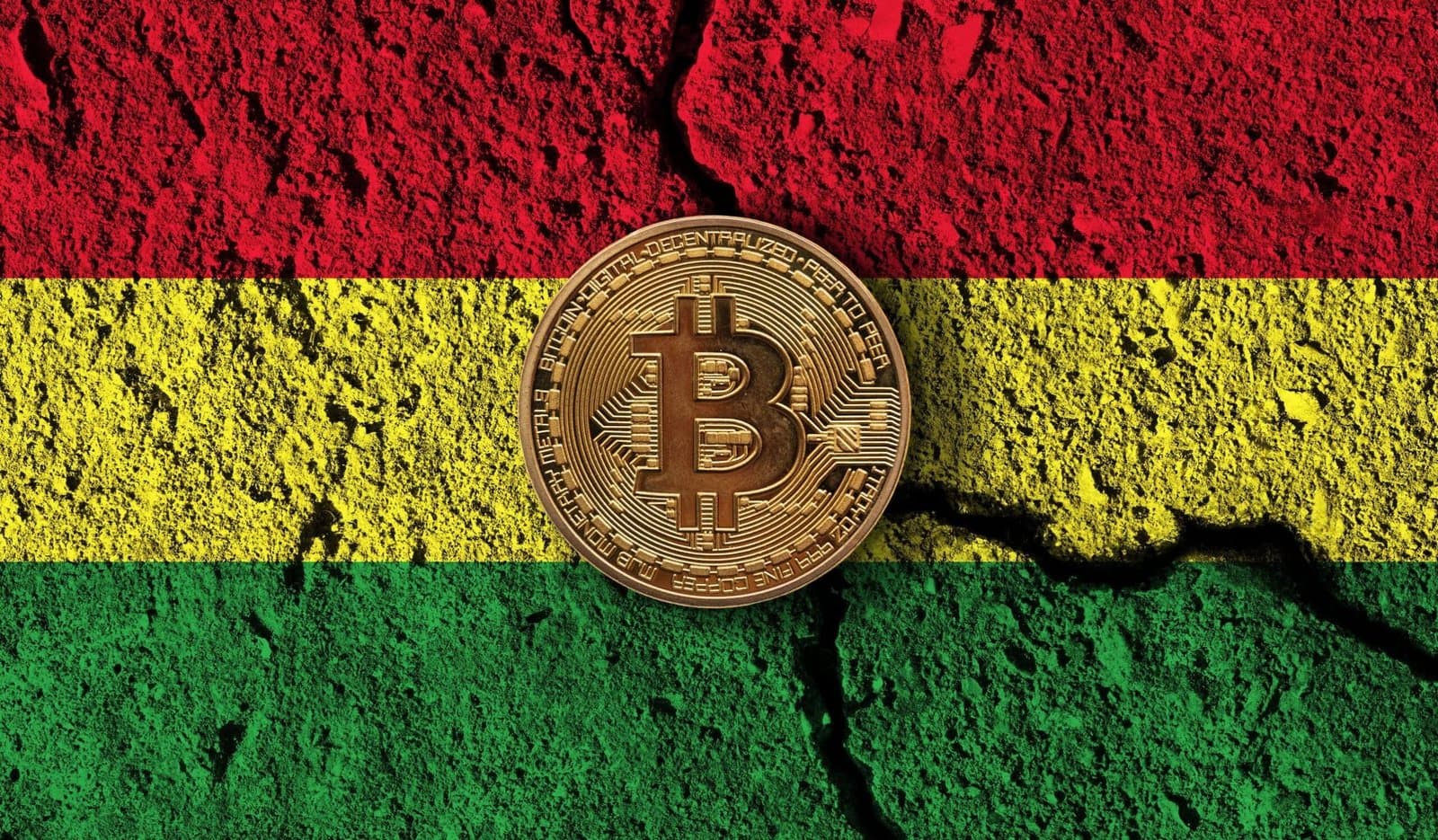
Bolivia is currently considering a move to officially recognize Tether's USDT as a payment currency, allowing it to operate alongside the boliviano and the US dollar in the national financial system. This decision comes as the country faces a challenging shortage of US dollars, which has intensified following the abandonment of its fixed exchange rate.
Economy Minister José Gabriel Espinoza confirmed during a press conference that a regulatory framework is being developed to assess the incorporation of USDT in everyday transactions, such as payments, savings, and trade. However, this proposal is still under review and has not yet received formal approval from the Central Bank of Bolivia or the legislative body.
The shortage of foreign currency in Bolivia has been exacerbated over recent years, notably due to declining gas production that has negatively impacted export revenues. This situation has drained dollar reserves and left businesses struggling to secure hard currency. The official exchange rate was previously fixed at 6.86 bolivianos per US dollar for nearly a decade. After the peg was abandoned earlier this year, a black market for dollars emerged, trading at a significant premium to the official rate.
USDT has started to take a prominent role in everyday transactions, with several retail stores accepting it for various goods, including dairy products and chocolate. In March 2025, the state energy company YPFB was authorized to accept cryptocurrency payments for fuel imports, marking a significant step towards the formal integration of digital currencies.
Currently, two banks in Bolivia, Banco Unión and Banco FIE, provide USDT-related services, indicating that the necessary banking infrastructure for broader adoption is already in place. Establishing official status for USDT could enhance transaction efficiency, reduce costs, and offer a safer alternative to engaging in the black-market dollar trade.
Since the ban on cryptocurrencies was lifted in 2024, there has been a growing embrace of digital assets within the country, with a recorded $14.8 billion in cryptocurrency transactions noted in the Chainalysis 2025 Latin America report. If implemented, Bolivia would become the first country in Latin America to formally integrate USDT as an official currency.
This material is informational and does not constitute financial advice.