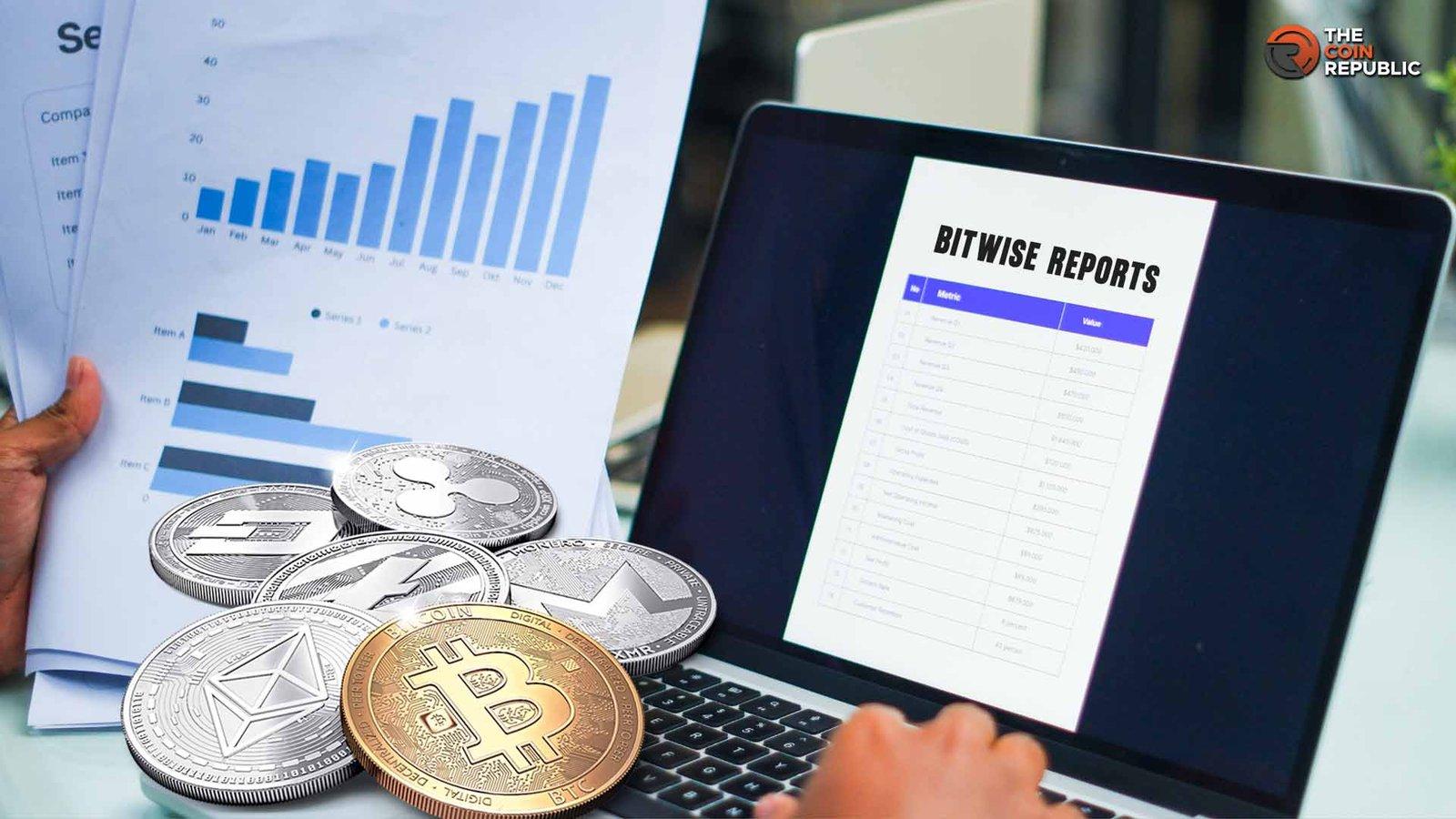
Bitwise has announced that the cryptocurrency market has experienced its longest losing streak since 2022, marking three consecutive quarters of negative returns. This downturn comes despite ongoing growth in various blockchain activities and sectors, indicating a disparity between market performance and underlying blockchain usage.
Market Performance Overview
According to Bitwise's latest report, the Bitwise 10 Large Cap Crypto Index fell by 15.4% in the second quarter of 2026. Notably, eight out of the ten assets in this index posted negative returns. The report highlighted that spot Bitcoin exchange-traded funds (ETFs) faced the largest quarterly outflows on record during this period. Furthermore, the correlation between cryptocurrencies and stocks has intensified, suggesting a potential shift in market dynamics.
Positive Growth in Blockchain Activities
Despite the declining prices, blockchain activity has shown resilience. Bitwise noted that Ethereum's transaction levels are approximately 13 times higher than those observed at the previous market bottom. Additionally, the total value locked in decentralized finance (DeFi) has surged by more than 60% since then. Stablecoin assets have also doubled from the lows experienced in the 2022 market, with stablecoin settlements surpassing 2.3 times the volume processed by Visa.
The report indicates that stablecoin issuers have amassed larger holdings in U.S. Treasury securities than many countries, marking a significant development in the crypto landscape. The adjusted transaction volume for stablecoins reached $10.9 trillion during 2025, underlining their increasing importance in the financial ecosystem.
Implications for the Future
As the cryptocurrency market grapples with this prolonged downturn, the contrasting trends in blockchain usage could influence future investments and regulations. The ongoing expansion in stablecoins and tokenized assets suggests a robust infrastructure that might support recovery in the digital asset market. Analysts and investors will be closely monitoring these developments to understand their impact on market sentiment and potential price corrections.
This material is for informational purposes only and should not be considered financial advice.