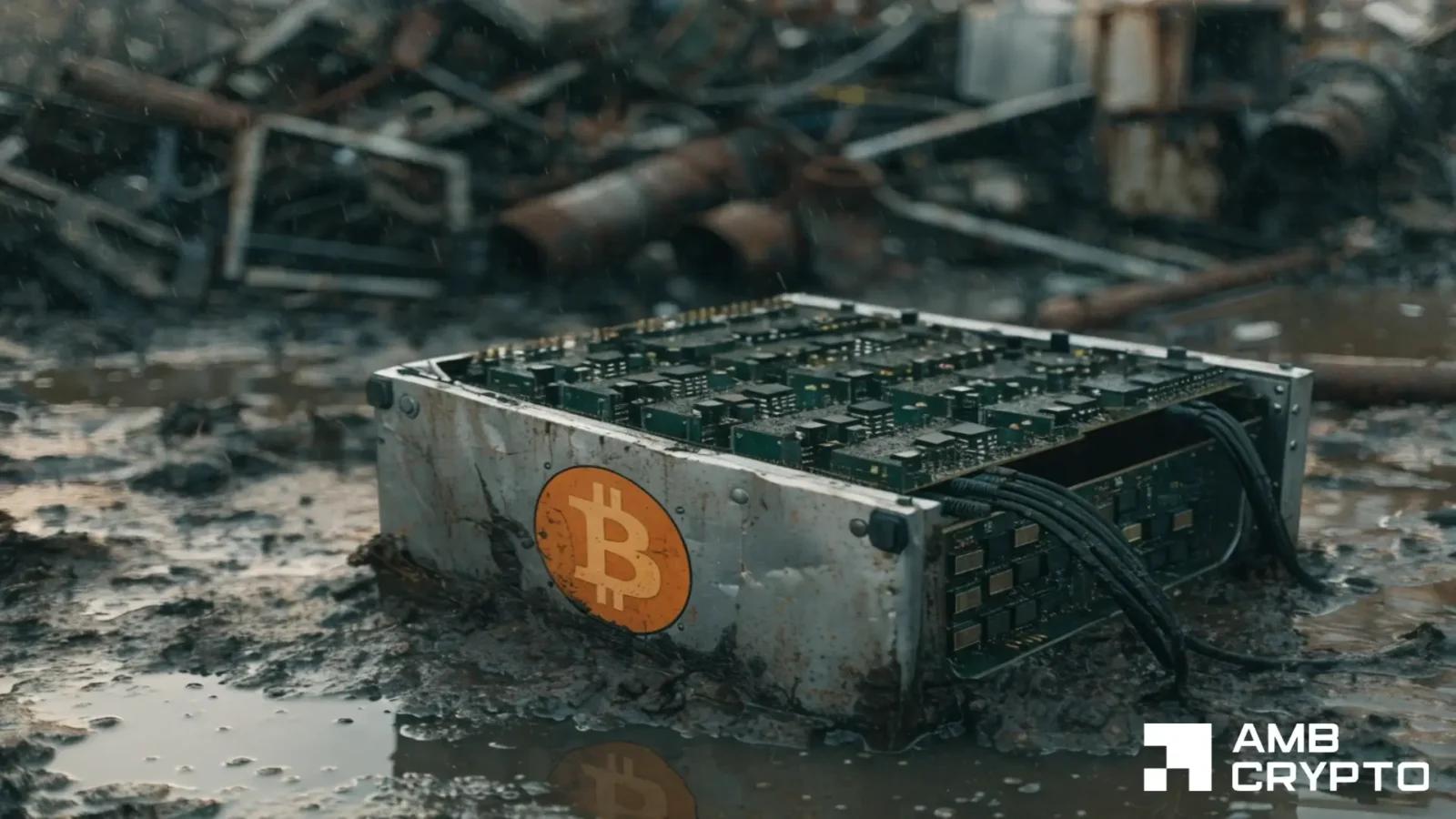
Bitcoin Miners Hold the Power Keys AI Companies Are Desperately Seeking
Bitcoin mining facilities hold vast energy infrastructure that AI companies urgently need, but converting these sites into viable data centers is a complex and costly undertaking.

The artificial intelligence industry is facing a serious energy bottleneck, and the solution may already exist in an unexpected place: Bitcoin mining facilities. As AI companies scramble to secure reliable power infrastructure, they are increasingly eyeing the grid access and energy capacity that cryptocurrency miners have quietly built up over the years.
Bitcoin miners have long invested in securing high-capacity power connections, often in remote locations where electricity is cheap and available in bulk. These sites, purpose-built to run energy-intensive hardware around the clock, now represent something far more valuable than their original purpose — they are prime real estate in the age of artificial intelligence.
However, converting a Bitcoin mining campus into a fully functional AI data center is far from a simple flip of a switch. The infrastructure requirements differ significantly between the two use cases. While crypto mining rigs demand raw power delivery, AI workloads require sophisticated cooling systems, high-speed fiber connectivity, precision power distribution, and far more complex physical layouts to accommodate GPU clusters and networking hardware.
The gap between what miners currently operate and what AI hyperscalers demand is considerable. Retrofitting existing sites involves substantial capital expenditure, regulatory navigation, and technical overhauls that can take months or even years to complete. Despite these challenges, the underlying asset — grid-connected land with established power capacity — remains enormously attractive.
For miners facing tightening profit margins in the post-halving environment, pivoting toward AI hosting services or selling grid access to technology companies represents a potential lifeline. Several major mining operators have already begun exploring or executing such transitions, recognizing that their most valuable resource may no longer be the Bitcoin they produce, but the energy infrastructure they control.
Investors and analysts are watching closely as this trend develops, noting that the convergence of AI's explosive growth and crypto mining's energy footprint could reshape the data center landscape over the coming years. The companies that manage this transition successfully stand to unlock significant new revenue streams in one of the fastest-growing sectors of the global economy.