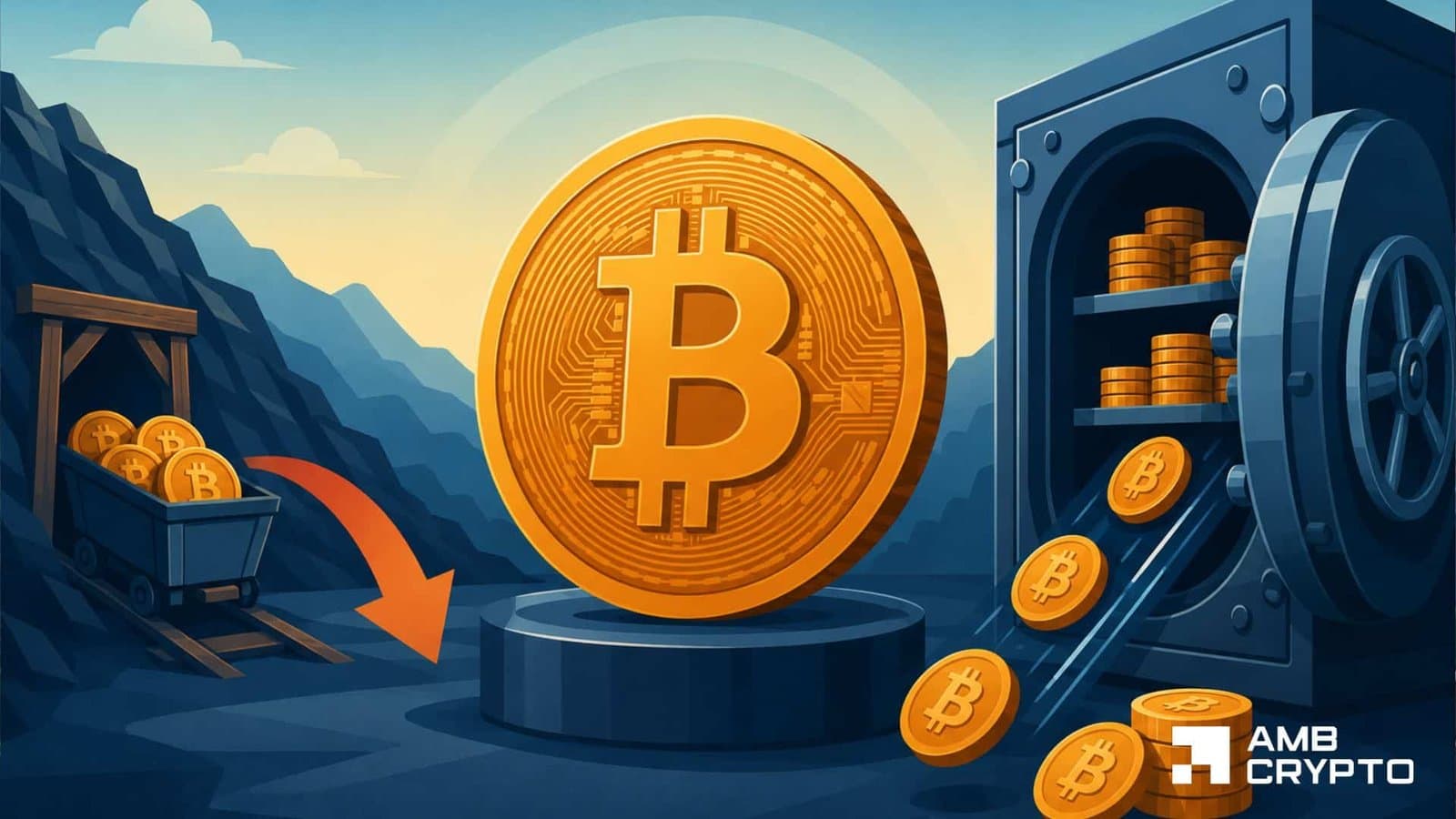
Bitcoin’s miner-linked over-the-counter (OTC) balances have plunged by nearly 72% since November 2021, falling from 500,000 BTC to approximately 139,700 BTC. This sharp reduction signals a significant contraction in coins available for large private transactions.
Miner Inventory Decline and Market Impact
Miners steadily reduced their inventories over time, with no meaningful replenishment following the 2024 Bitcoin halving. As a consequence, the supply of coins through OTC channels tightened considerably while miner-to-exchange flows also decreased. This dynamic has contributed to diminishing visible selling pressure in the Bitcoin market.
Despite these reduced OTC holdings, Bitcoin’s price has continued to rise, reflecting increased demand amid shrinking supply. If institutional investors and whales persist in accumulating Bitcoin under these supply constraints, the market could experience heightened price sensitivity in the upcoming quarters due to tighter liquidity.
Exchange Withdrawals Reinforce Supply Constraints
The contraction in tradable Bitcoin supply is not limited to miner OTC desks but is also apparent in centralized exchanges. On July 20, Bitcoin recorded $686 million in net exchange outflows. Binance led with an outflow of $570 million, marking its largest withdrawal since April, followed by Bybit with $65 million, Coinbase with $48 million, and HTX with nearly $3 million.
This coordinated movement indicates broad withdrawal activity rather than isolated events. As coins leave exchange wallets, the volume accessible for spot-market selling diminishes. This trend aligns with the decline in OTC inventories, reinforcing a tighter market environment that could amplify the upside potential for Bitcoin should demand remain strong.
Long-Term Holders Maintain Positions
Analysis of Coin Days Destroyed (CDD), measuring the age of coins sold, shows long-term holders remain reluctant to liquidate older Bitcoin despite recent price rebounds. The CDD value remains stable at 16.4 million, with minor spikes failing to translate into sustained selling.
The persistence of dormant holdings shifts the price discovery burden to fresh spot demand rather than recycled supply. Bitcoin’s next price moves will likely depend on whether sufficient new capital enters the market to absorb coins within an increasingly limited tradable float.
This content is for informational purposes and should not be considered financial advice.