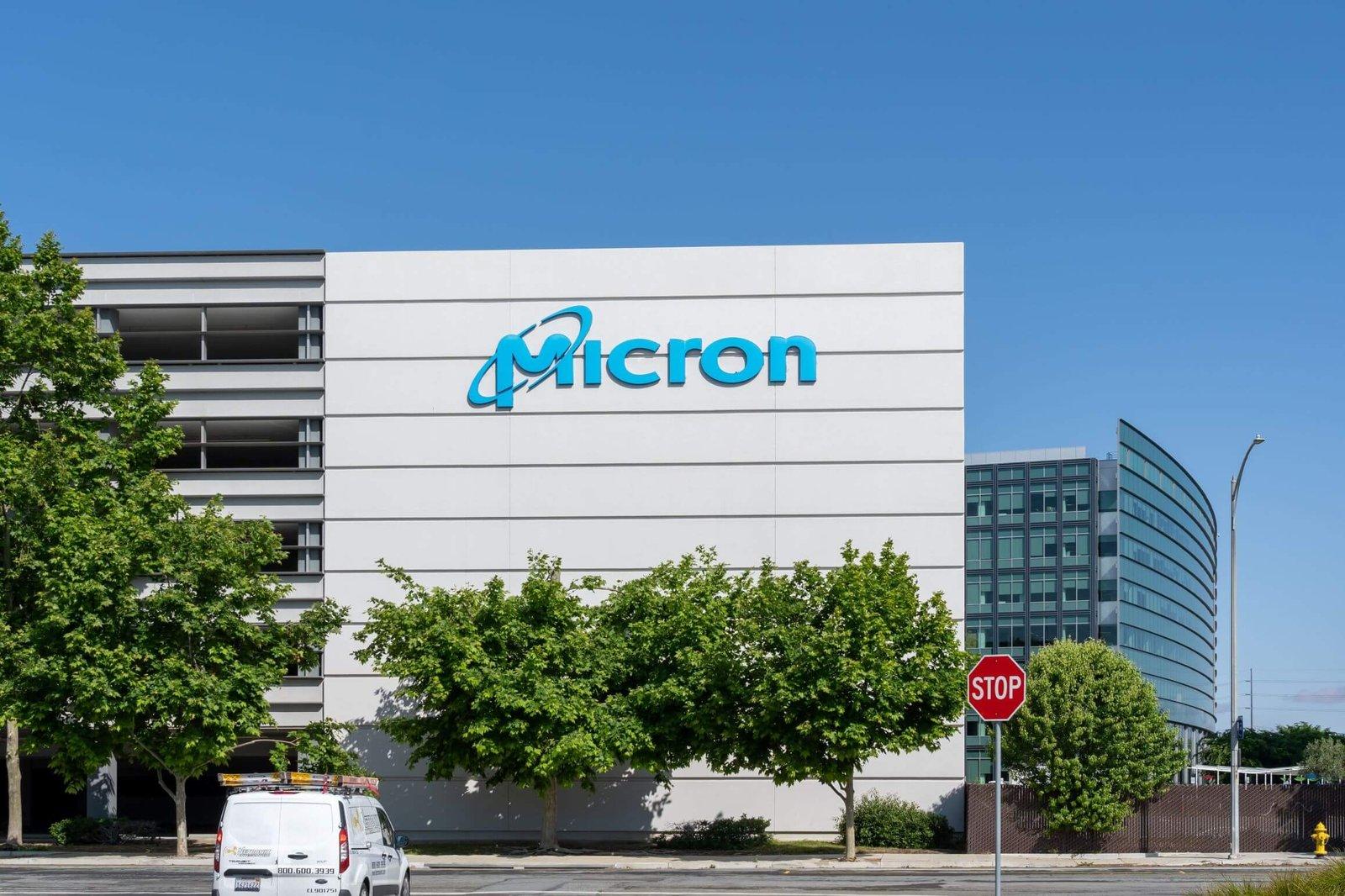
Micron Technology has reported a remarkable revenue increase for fiscal Q3 2026, reaching $41.46 billion, an impressive growth of 346% compared to the same period last year. This surge is largely attributed to heightened demand for high-bandwidth memory (HBM) driven by advancements in artificial intelligence (AI). The company's adjusted free cash flow stood at $18.3 billion, complemented by record gross margins and earnings per share.
According to MarketBeat, 38 analysts are currently covering Micron stock (MU), with 5 suggesting Strong Buys, 30 recommending Buys, 3 indicating Holds, and none advising Sells. The average price target over the next 12 months is set at $1,263.76, signaling strong confidence in Micron’s future performance.
Market Position and HBM Growth
Micron holds a prominent position in the global HBM market, one of only three major suppliers alongside SK Hynix and Samsung. The company has begun shipping its next-generation HBM4 products designed for Nvidia’s Vera Rubin platform. Impressively, all of Micron's HBM production is fully allocated for calendar 2026, showcasing an unusual level of demand visibility for memory manufacturers.
Management anticipates that the total addressable HBM market will reach approximately $100 billion by 2028. This forward visibility is bolstered by the consistent demand from AI data centers, placing Micron in a strategic position to capitalize on this growth. Furthermore, the shift towards HBM has led to reduced supply of conventional DRAM, as AI servers require greater memory capacity than traditional systems.
Long-Term Investment and Risks
Micron is planning a substantial investment exceeding $250 billion in U.S. manufacturing by 2035, with the aim of producing over 40% of its DRAM domestically. For fiscal 2026, capital expenditures are projected to be around $20 billion as the company expands its HBM and advanced DRAM capacities. While this shows a commitment to growth, it also comes with inherent risks. Historical trends indicate that memory companies often overshoot on supply, and a potential slowdown in AI infrastructure spending could negatively impact pricing.
Currently, the positive outlook for Micron relies heavily on continued robust spending in the AI data center sector. So far, the indicators suggest that demand remains strong, with locked-in customer agreements amounting to over $22 billion providing a financial buffer against the cyclical nature of the memory industry.
This material is informational and should not be considered financial advice.