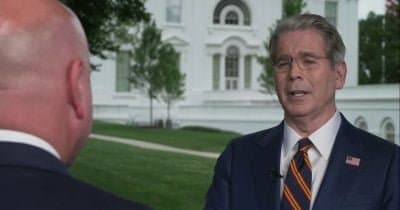
Scott Bessent dropped a bombshell on CNBC Monday. The US Treasury Secretary casually suggested Washington and Tehran could seal a Strait of Hormuz deal by Tuesday. Oil prices tanked immediately. A waterway that moves one-fifth of the world's crude supply doesn't sit idle on speculation, and traders priced in the reopening in minutes.
The choke point loosens
The Strait of Hormuz sits between Iran and Oman, a narrow funnel where tankers haul massive crude volumes out of the Persian Gulf to global markets. Since July, tensions have choked the route badly enough that Bloomberg started calling it outright "War With Iran." China and Qatar had been working diplomatic channels with some Doha momentum, but nothing stuck until Bessent put a 24-48 hour timeline on the table. That concrete language matters in markets that usually parse diplomatic vagueness for years.
Oil dropped fast on the comments. Traders figured a reopened strait meant lower energy costs, less inflation pressure, and no reason for the Federal Reserve to keep rates punishing. Lower oil ripples everywhere: Treasury yields shift, risk asset valuations reset, and the entire inflation narrative that's been propping up certain market trades suddenly looks shakier.
Stablecoins and silent adoption
The energy reporters missed the crypto angle entirely, which is where it gets interesting. Geopolitical crises historically pump stablecoin adoption in affected regions fast. When currency becomes unstable and banking gets fragile, people in the Middle East and North Africa start holding dollar-denominated digital assets instead of waiting for the next currency shock. On-chain activity in those areas tends to spike during exactly these windows, even while mainstream coverage stays glued to oil charts and Reuters headlines.
If the deal holds and tension eases, that flow reverses. If talks collapse Tuesday night, watch what happens to regional stablecoin transfers and exchange deposits.
This is informational analysis of market-moving events. Not investment advice. Geopolitical outcomes are uncertain and prices can swing hard in either direction.