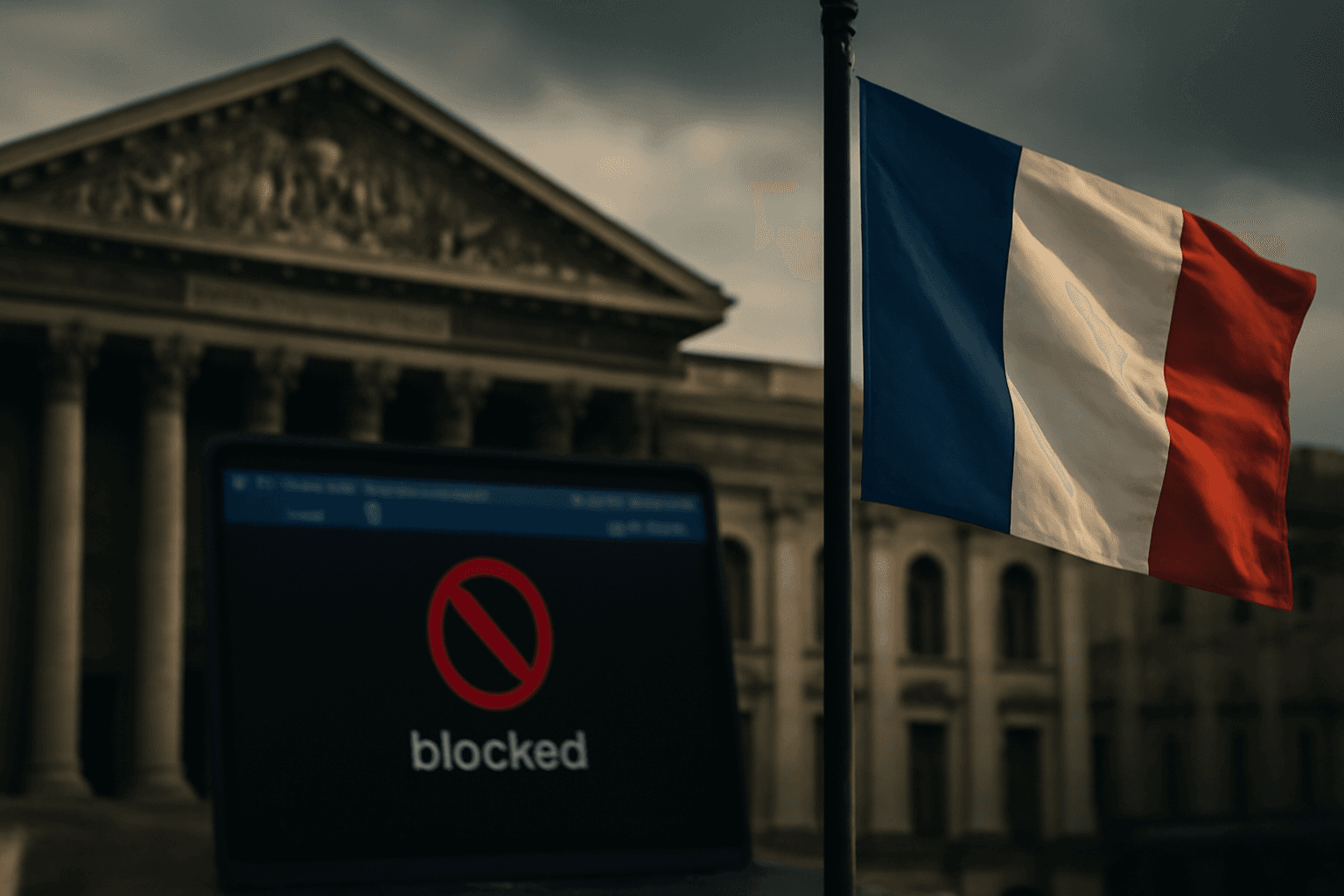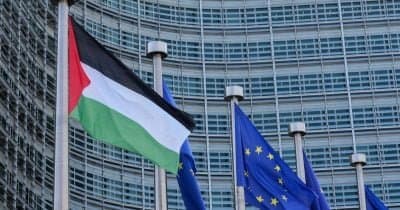
Belgium’s recent decision to ban goods originating from Israeli settlements in occupied Palestinian territories imposes direct economic pressure amid ongoing regional conflict. This unilateral move reinforces growing diplomatic scrutiny of Israeli policies and could influence shifts in international recognition of Palestine before 2027.
Details of the Import Ban
On July 18, 2026, Belgium formalized the prohibition of imports linked to Israeli settlements within contested Palestinian areas. This follows similar actions by Ireland and Slovenia, demonstrating a pattern where individual European Union states take independent steps in response to Israel’s military presence and settlement activities. The ban aims to curtail economic benefits derived from settlements considered illegal under international law.
Regional and International Implications
The Belgium ban emerges amid continued Israeli military control and repeated ceasefire breaches since an October 2025 agreement. Market analysts suggest Belgium’s stance may accelerate expectations that the United States will recognize Palestine imminently, potentially before 2027. Monitoring reactions from other EU members will be critical, as further unilateral decisions could reshape the bloc’s fragmented approach to the Israeli-Palestinian conflict. Official statements from the US State Department and major global actors are anticipated to clarify future diplomatic trajectories.
Information presented is for general understanding and does not constitute financial advice.