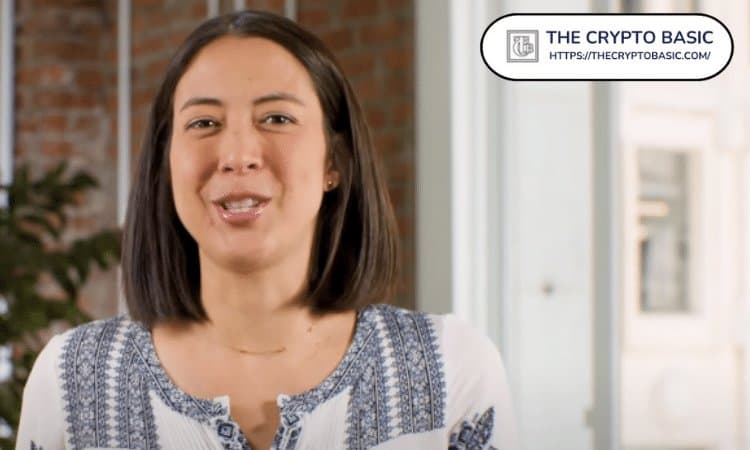
Institutional finance just crossed a threshold. Ripple's president Monica Long announced that banks have stopped experimenting with blockchain and started deploying it in live production. The shift happened faster than most expected.
Long framed it bluntly in a post this week: the industry flipped from "bank pilots to production, from issuing tokenized assets like money market funds and liquidity funds to using them." That's not hype. Aviva Investors recently tokenized its US Dollar Liquidity Fund directly on the XRP Ledger, a real transaction with real institutional capital, not a proof-of-concept sitting in some lab.
What's actually changing
The move matters because it forces the infrastructure to grow up. Ripple announced investments in two firms to patch gaps in the institutional stack. ZILO brings regulated transfer agency technology. Licuido handles tokenization and trading. Together they give institutions what they need: the ability to issue assets, custody them, manage collateral, settle across currencies, and do it all atomically on a single ledger.
The XRP Ledger now supports 24/7 onchain operations. No waiting for bank hours. No settlement delays. Institutions are pushing toward that because the math works. A money market fund or liquidity fund moving to blockchain cuts friction, reduces counterparty risk, and lets capital move faster. Once one major player goes live, others follow.
Why this matters for the broader market
This isn't just Ripple's win. When institutional capital starts moving onchain at scale, it changes the entire crypto infrastructure game. More volume flows through regulated stablecoins like Ripple's RLUSD. More developers build tools for custody and compliance. More exchanges and wallets optimize for institutional needs instead of retail traders.
The timing also signals something about market confidence. Banks don't deploy real capital to blockchains when they're nervous about regulation or technology stability. They do it when they've decided the risks are manageable and the upside is worth it.
This article is informational and does not constitute financial advice. Always conduct your own research before making investment decisions.