Where Stablecoins Are Built vs. Where They're Actually Used: A Growing Disconnect
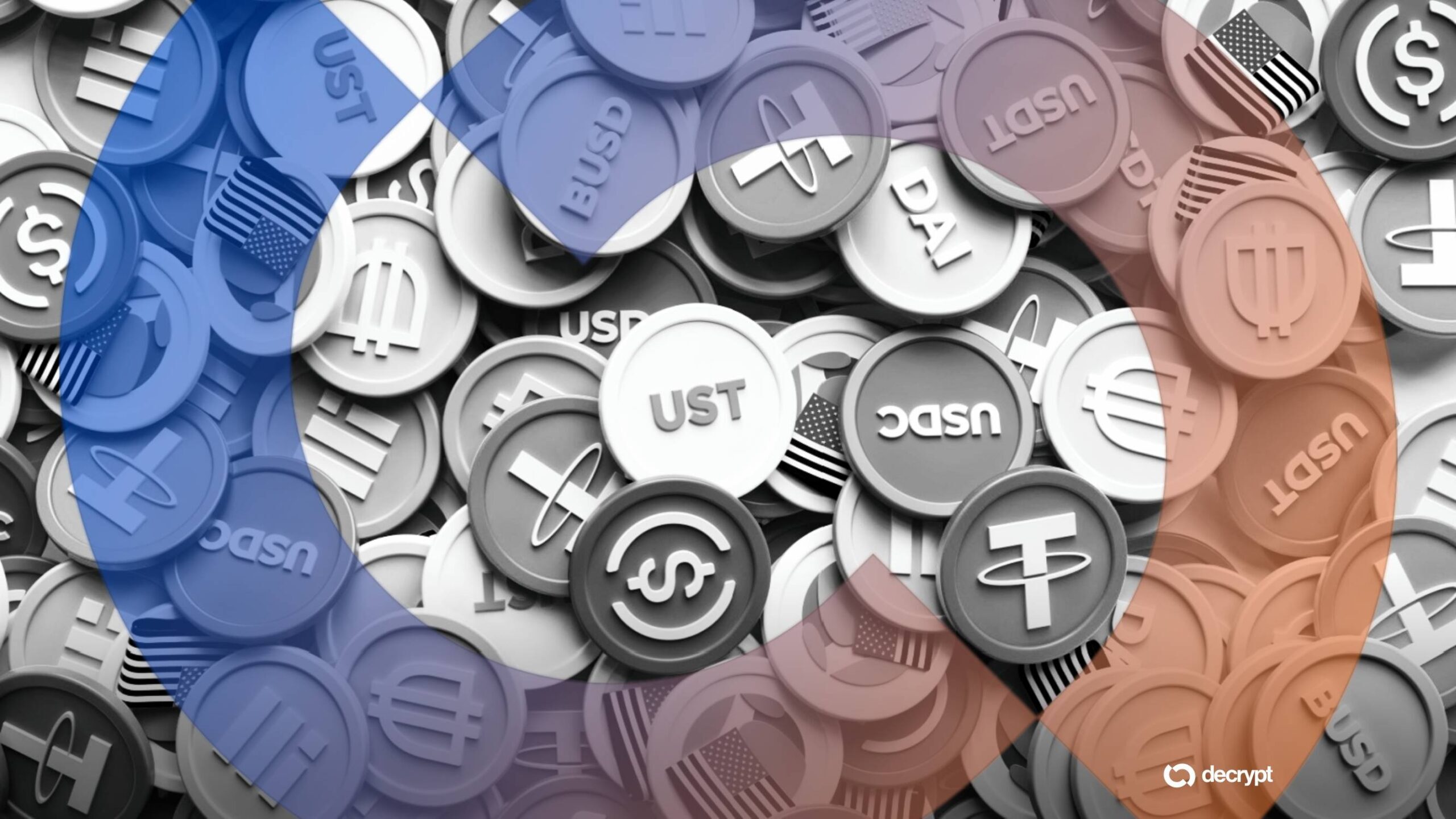
The global stablecoin landscape reveals a fascinating paradox: the countries producing the most stablecoin founders are not the same countries driving the bulk of stablecoin transaction volume. This mismatch between origin and adoption is reshaping how analysts and investors think about the future of dollar-pegged digital assets.
At the top of the market capitalization charts, the usual suspects remain firmly in place. Tether's USDT continues to dominate overall trading activity, while Circle's USDC holds its ground as the preferred stablecoin for institutional and DeFi-native participants. Both projects trace their roots to the United States, yet a significant share of their actual usage originates from emerging markets across Southeast Asia, Latin America, and Sub-Saharan Africa — regions where dollar access is limited and local currencies face persistent inflationary pressure.
This geographic divergence is not merely an academic curiosity. It carries real implications for regulatory strategy, liquidity provisioning, and product design. Founders based in Silicon Valley or New York are engineering products for users whose financial realities look nothing like their own. The result, critics argue, is a growing usability gap that newer, regionally focused stablecoin projects are beginning to exploit.
A wave of alternative stablecoins has emerged to fill this space. Projects like PYUSD, backed by PayPal, and RLUSD, associated with Ripple, are attempting to capture underserved corridors by leveraging existing payment infrastructure and partnerships. Meanwhile, yield-bearing stablecoins such as USDY and USYC are attracting attention from users who want their idle dollar holdings to generate returns — a feature largely unavailable through traditional banking in high-inflation economies.
The competitive pressure is also visible in the Euro-denominated segment. Tokens like EURC and EURCV are gaining traction as European regulators push forward with MiCA compliance frameworks, potentially giving licensed Euro stablecoins a structural advantage over their offshore counterparts in EU markets.
On-chain data paints an equally complex picture. While USDT dominates raw transfer volume on Tron and Ethereum, newer entrants are carving out meaningful niches on faster and cheaper networks. Solana-based stablecoins, for instance, have benefited from the network's low fees and high throughput, attracting retail users who find Ethereum gas costs prohibitive.
The stablecoin sector is also intersecting with the real-world asset tokenization trend. Products like BUIDL, OUSG, and USTBL represent tokenized versions of money market funds and Treasury instruments, blurring the line between stablecoins and on-chain financial products. These hybrid instruments are gaining significant institutional interest, even if their daily transaction volumes remain modest compared to mainstream stablecoins.
Regulatory clarity — or the lack thereof — remains the single largest variable shaping competitive dynamics. In the United States, the long-anticipated federal stablecoin legislation continues to move through Congress at a deliberate pace. In the meantime, issuers operating under clear regulatory frameworks in jurisdictions like the EU, Singapore, and the UAE are quietly building market share.
For investors and traders tracking the space, the key takeaway is straightforward: market cap rankings and volume maps tell different stories. Understanding both — and the gap between them — is increasingly essential for making informed decisions in a stablecoin market that is more fragmented, more innovative, and more globally distributed than ever before.