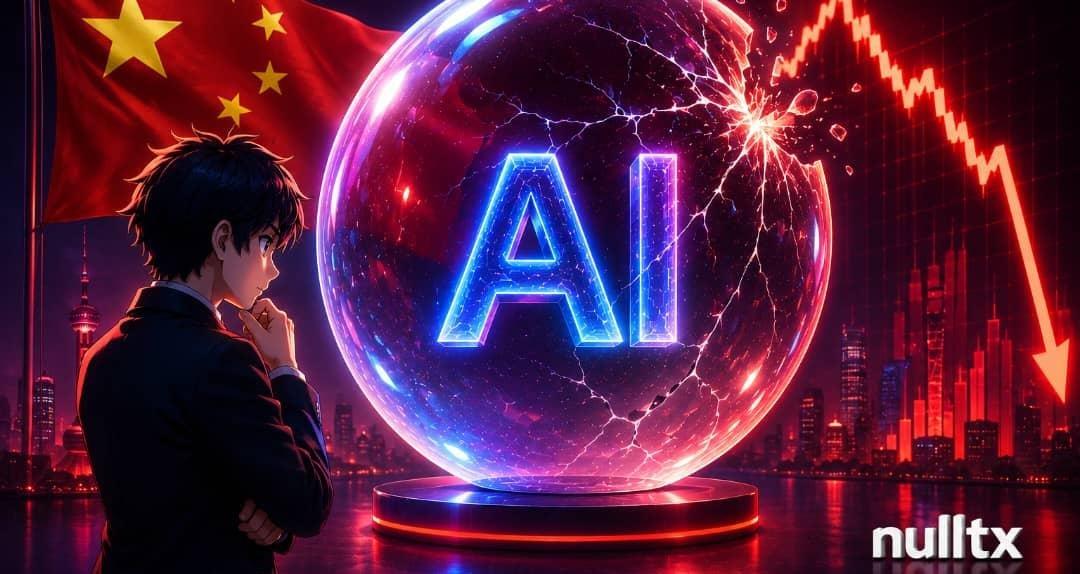
Top hedge funds in China are cautioning that the surge in AI stock valuations may be reaching a perilous phase, with predictions of a significant market downturn. Yang Dong, the founder of Wealspring Asset, whose accurate predictions preceded previous market crashes, stated that the point of collapse for the current AI investment cycle, described as a 'super bubble', is approaching.
Specific Concerns from Hedge Funds
The warnings extend beyond general market apprehensions. Wealspring Asset's alarm about the AI bubble resonates particularly due to Yang Dong's track record, which has caused unease among investors. His assertion that the collapse could be imminent has been noted by market observers already apprehensive of the heightened AI valuations.
Additionally, Shanghai Banxia has provided a more detailed warning. This fund has explicitly identified Anthropic as a potential trigger for the AI bubble to burst, suggesting that the company's revenue growth may not meet current market expectations. This pinpointing of Anthropic indicates that any disappointment in its performance could affect the broader AI market rather than being limited to just one company's valuation.
Market Sentiment Shifts
According to recent reports, at least six of eleven monitored Chinese hedge funds currently hold negative views on AI investments. This sentiment shift has been developing over several months, indicating a broader reconsideration of AI stock viability. Wealspring has gone as far as projecting that some leading AI stocks in China could experience declines of 80% should the anticipated bubble burst.
Wider Implications Beyond China
The concerns raised are not limited to the Chinese market, suggesting a pattern of skepticism around AI stocks globally. The warning signs, such as increased insider selling and billionaire short positions, indicate that the pressure on AI valuations may be more severe than initially assessed. Furthermore, corporate decisions, such as those from Apple, signal that challenges extend beyond stock evaluations to the physical supply chain supporting AI developments.
This developing narrative highlights the necessity for caution among investors engaged in the AI sector, considering these cautionary signals from prominent market figures.