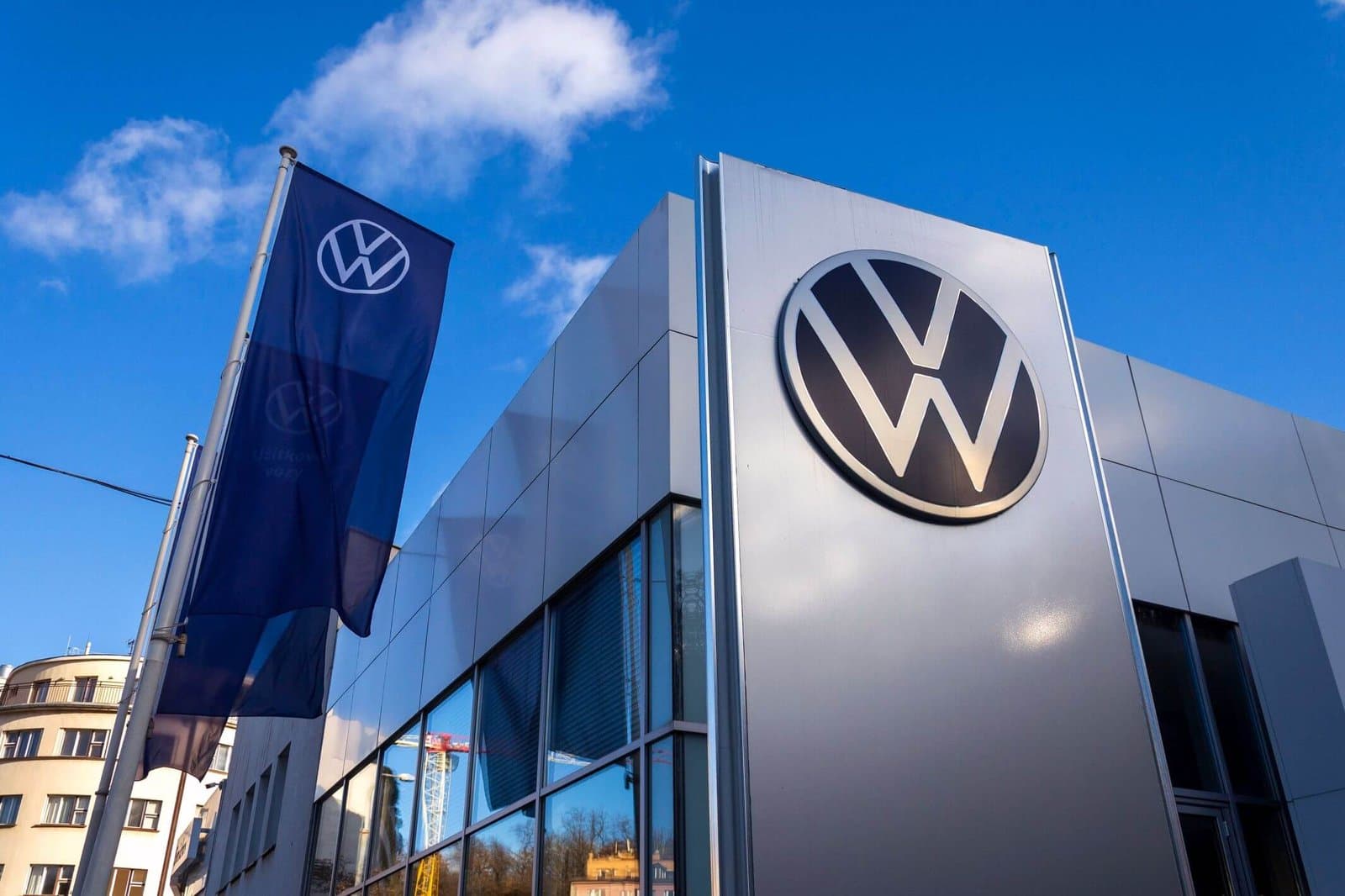
Volkswagen is contemplating cutting up to 50,000 more jobs as part of a significant restructuring effort aimed at addressing its competitive disadvantage in the automotive market. This potential reduction would bring the total job losses to a staggering 100,000 across the organization.
In an internal letter to employees, CEO Oliver Blume disclosed the need for these cuts, attributing them to a 20% cost disadvantage relative to its competitors. He emphasized the company's commitment to evaluating necessary adjustments across various regions and brands.
Current Job Cuts and Future Proposals
This development comes on the heels of an earlier agreement to reduce the workforce by approximately 50,000 positions, which included cuts at the Porsche and Audi divisions. Previously negotiated measures aimed at achieving billions in cost savings also entailed 35,000 job reductions in Germany by 2030, while ensuring no immediate factory closures were planned.
A separate arrangement detailed an additional 15,000 job cuts specifically at Audi, Porsche, and the Cariad software division. Earlier this year, Volkswagen successfully lowered its overhead costs by 1 billion euros as part of these initiatives. However, the company has signaled that further measures are essential.
Challenges for German Factories
Volkswagen's four German manufacturing plants located in Emden, Hanover, Zwickau, and Neckarsulm currently face an uncertain future, with no long-term competitive uses identified beyond 2030. Labor representatives recently halted proposed restructuring measures during a supervisory board meeting, which included further job cuts and possible plant closures.
Blume expressed a preference for repurposing underutilized factories instead of shutting them down. Potential options under consideration include the production of Volkswagen models tailored for the Chinese market or adapting facilities for defense-related manufacturing.
Moreover, the company is reviewing its vehicle model lineup, with plans to potentially halve the current offerings, focusing on segments that are more attractive to consumers while aligning production with actual market demand.
The global automotive situation has worsened over the past year, prompting these drastic considerations from Volkswagen's leadership.
This material is informational and not financial advice.