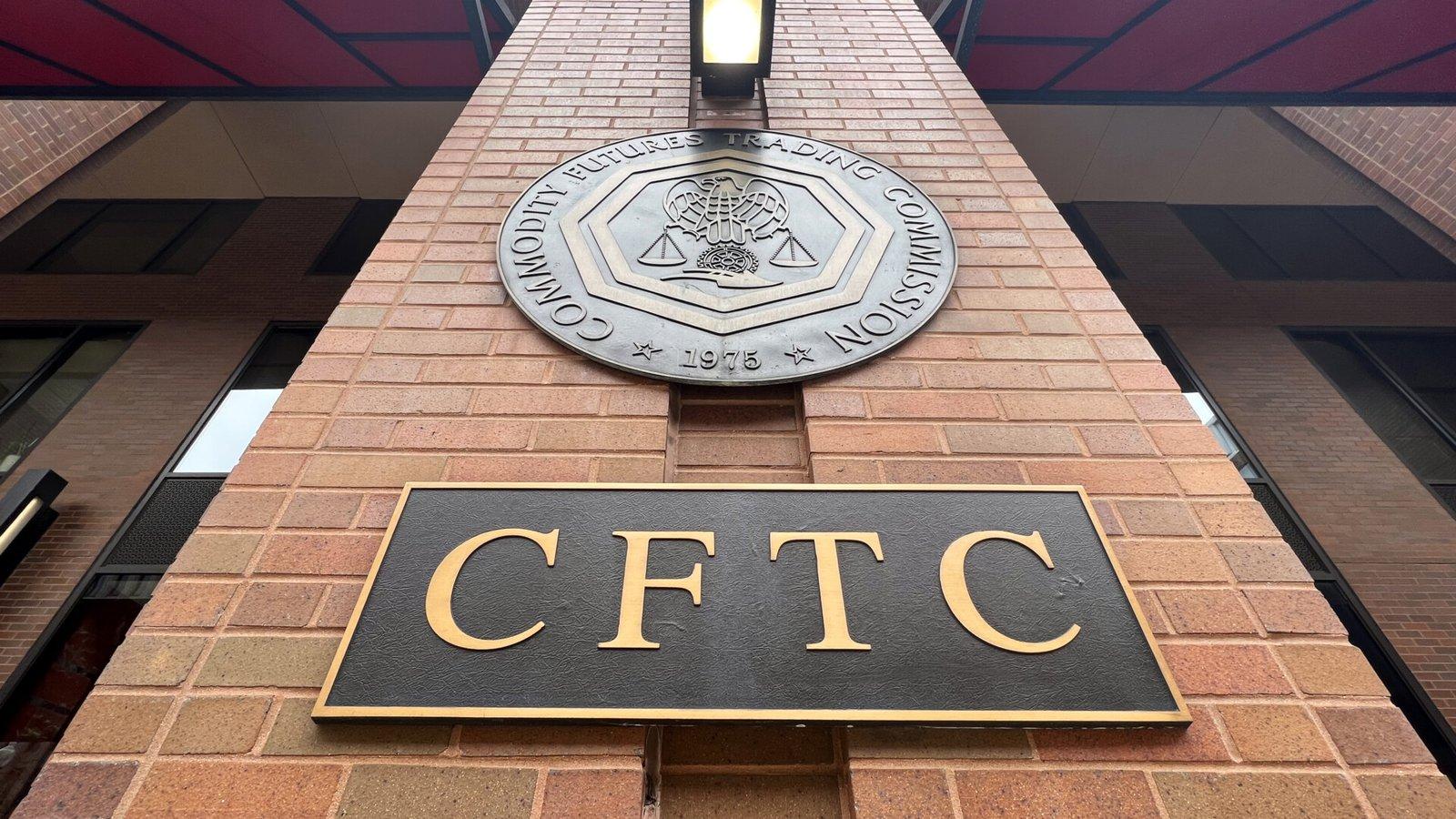
The ongoing vacancies at the Commodity Futures Trading Commission (CFTC) are significantly hindering the legislative progress of the CLARITY Act, crucial for the oversight of the $2.2 trillion crypto industry. Disagreements between the White House and Senate Democrats are escalating, with each party blaming the other for the delays in appointing the remaining four commissioners at the CFTC.
Implications for Crypto Regulation
With the current situation leaving the CFTC with just one commissioner, Michael Selig, the effectiveness of the agency to enforce regulations is under threat. The CLARITY Act, aimed at establishing a clear regulatory framework for digital commodities, faces uncertainty. Proponents warn that if Congress does not act swiftly, international regulators might impose regulations that could shape the future of the U.S. crypto market.
- The CFTC is currently operating with only one commissioner rather than the required five.
- The crypto market is valued at approximately $2.2 trillion.
- The Senate is set to reconvene on July 14, continuing discussions on the CLARITY Act.
In a recent interview, Commissioner Selig emphasized that without immediate congressional action, the risk of having other jurisdictions dictate the regulatory environment increases, undermining the legislative purpose of the CLARITY Act. This situation echoes fears expressed in previous discussions regarding the necessity for U.S. regulatory clarity in crypto, similar to concerns raised in articles about Bitcoin market vulnerabilities.
What’s Next?
As the Senate prepares to return, attention will focus on potential resolutions to the commissioner vacancies that are critical for advancing the CLARITY Act. Decisions made in the coming weeks will determine whether U.S. regulations for the crypto industry will be shaped internally or externally. Clarity in governance is essential to ensure that U.S. interests remain protected in an increasingly competitive global landscape.
Disclaimer: This material is for informational purposes only and does not constitute financial advice.