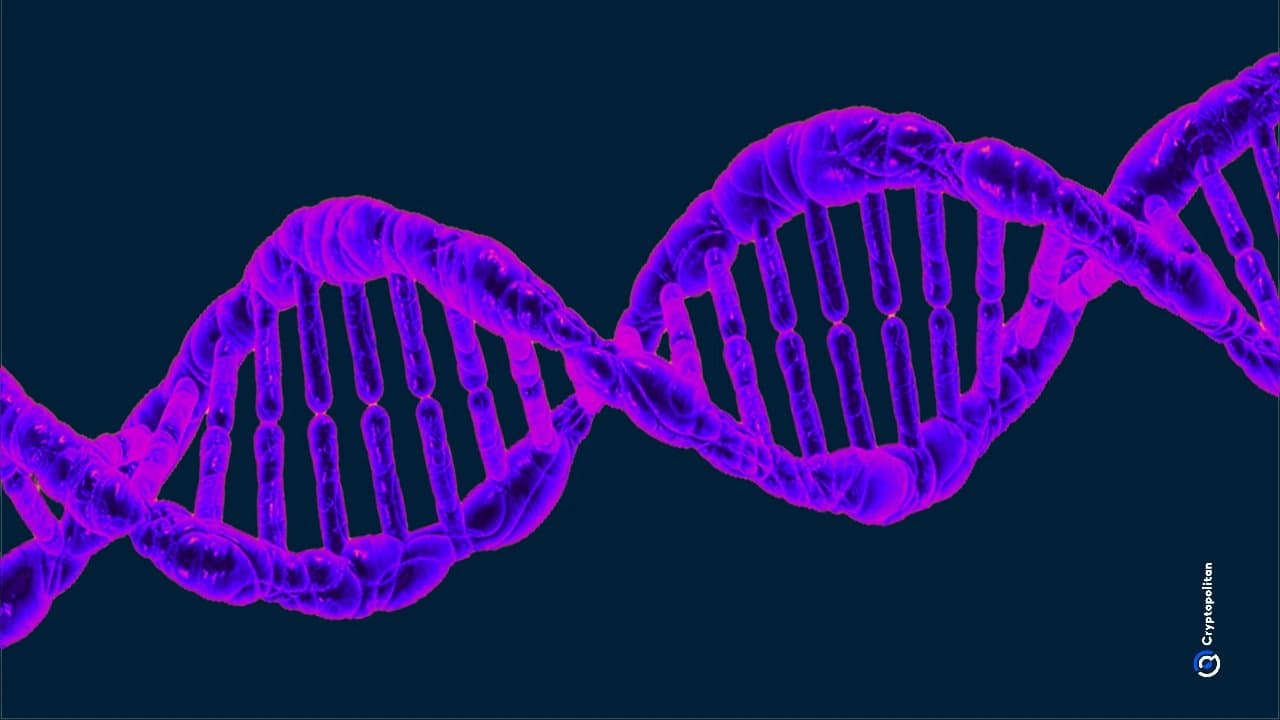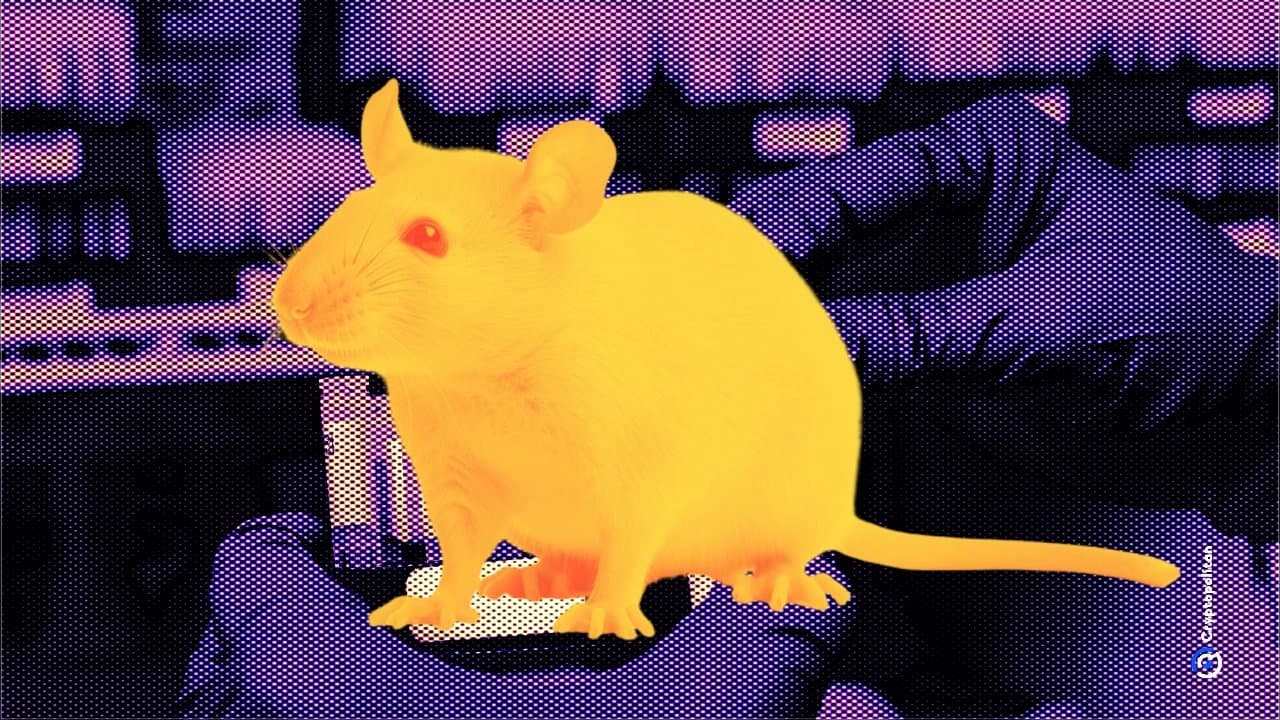
Scientists at the University of Southern California have pinpointed thymulin, a hormone naturally produced by the thymus, as a potential factor to reverse inflammaging, a chronic inflammation linked to aging. In experiments, increasing thymulin levels restored health markers in an elderly mouse, improving its immune response and survival.
Thymulin and Inflammaging
Inflammaging is a condition where persistent low-level inflammation contributes to diseases common in older adults like cancer, heart disease, and neurological disorders. Researchers have struggled to find what drives this inflammation and how to counteract it effectively.
The USC team, led by Professor Fumito Ito of the Keck School of Medicine, found that thymulin production decreases with age. This decline corresponds with rising inflammation. Thymulin is secreted by the thymus, an organ located behind the breastbone that plays a role in immune system regulation.
Experimental Approach and Findings
Using heterochronic parabiosis, a method that connects the circulatory systems of a young and old mouse, researchers observed that the older mouse’s thymulin levels increased. This hormonal boost enhanced the older mouse’s antitumor immune activity and improved overall survival rates.
Professor Ito stated this is the first evidence of a naturally occurring thymus hormone that diminishes with age yet holds the power to reverse age-related inflammation. The study links aging, inflammation, and cancer immunity, suggesting thymulin as a direction to improve immunotherapy in elderly patients.
Next Steps and Future Research
The current results are limited to animal models and laboratory settings. The team plans to explore thymulin’s impact on other chronic diseases and its role in tumor biology. Clinical trials involving humans could follow if future studies support these findings.
This article is informational and does not constitute financial advice.