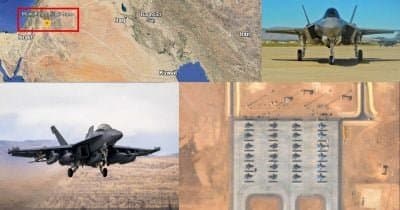
Three American soldiers died within a day after Iranian ballistic missile and drone attacks targeted a US base in Jordan and a separate incident in northern Iraq. The weekend alone saw two service members killed and one initially missing at the Jordanian site, with the missing soldier later found deceased. Another death was confirmed in Iraq, bringing the death toll from renewed hostilities since February 28, 2026, to 17.
Details of the Attacks and Immediate US Response
The strikes on the Jordanian base on July 17 and 18 marked the first lethal attacks on US forces since a ceasefire was declared just a month earlier. Four additional US service members required medical evacuation after the assault. CENTCOM characterized the combined ballistic missile and drone assault as a deliberate escalation rather than an isolated event.
Following these attacks, the US launched retaliatory airstrikes aimed at Iranian Revolutionary Guard Corps positions, focusing on reducing their operational capabilities and reasserting control over the key maritime corridor, the Strait of Hormuz.
Strategic Importance of the Strait of Hormuz and Market Implications
Approximately one fifth of the globe's oil supply passes through the Strait of Hormuz, making it a critical chokepoint for energy security. Disruptions here typically escalate beyond geopolitical concerns into energy price volatility, inflation pressures, and central bank policy adjustments.
Despite the military escalation, the cryptocurrency market showed no immediate reaction to the attacks, reflecting a lack of direct links to digital asset volatility in current conflict coverage. Instead, oil prices remain the main channel transmitting the geopolitical risk to financial markets.
- Seventeen US military fatalities reported since February 28, 2026, in ongoing conflict
- Recent missile and drone strikes targeted US base in Jordan and northern Iraq
- US retaliated with airstrikes against Iranian Revolutionary Guard Corps
- Strait of Hormuz disruption could impact global oil prices and inflation
The ceasefire's swift collapse points to persistent instability and absence of a deterrence equilibrium. Investors with energy exposure should monitor developments closely as threats to shipping lanes in the Strait of Hormuz historically trigger rapid oil market shifts.
This material is informational and does not constitute financial advice.