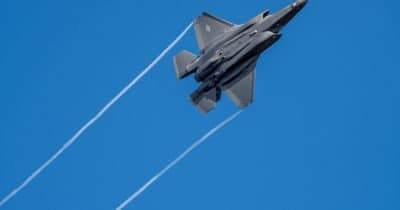
The United States has escalated its military presence in the Middle East by deploying F-16 fighter jets from Germany and F-35 stealth aircraft from Britain, in response to escalating tensions with Iran. Alongside these jet deployments, additional refueling planes and naval warships have been dispatched, indicating preparations for a broader air operation in the region.
Background of Regional Tensions
The current surge in U.S. military assets follows Iran’s Revolutionary Guard Corps (IRGC) claims of attacks targeting American forces in Kuwait and Bahrain. While the IRGC asserts it successfully struck U.S. bases, American officials have minimized the impact, stating most assaults were intercepted and caused limited damage.
This sequence of events emerges in the context of an intensifying conflict that originated with coordinated strikes by the U.S. and Israel against Iranian targets. Since then, the situation has broadened into a larger regional confrontation, with Iran apparently engaging in retaliatory actions.
Potential Military and Market Implications
Recent market activity reflects growing expectations of Iranian military action against another Gulf state, with probability surging significantly for July 22. The augmented U.S. military presence could signal an impending expansion of aerial campaigns, aligning with a more assertive U.S. stance in the area.
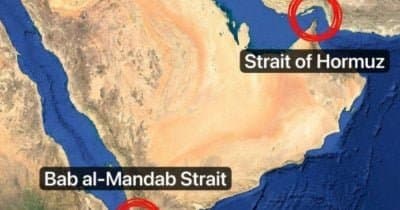
Observers are advised to watch for further military deployments or public statements from both the U.S. and Iran. Developments in strategic locations such as the Strait of Hormuz or declarations from influential figures like Supreme Leader Ali Khamenei might serve as early indicators of escalation. Diplomatic mediation efforts by regional players including Qatar or Oman could also influence the trajectory.
Material is informative and not a financial recommendation.