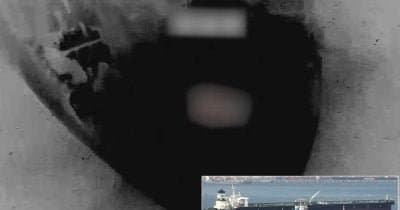
On July 15, 2026, the US military executed a precision strike against the M/T Belma, a Curacao-flagged oil tanker, using Hellfire missiles. This action occurred shortly after the US reinstated its naval blockade on Iranian oil exports, marking a significant escalation in enforcement measures.
Details of the Strike
The operation, confirmed by US Central Command (CENTCOM), aimed specifically at the tanker’s smokestack to disable its propulsion system while avoiding an environmental spill. The M/T Belma, with a deadweight tonnage of 299,988 DWT, was operating near Kharg Island, Iran’s key oil export hub. This vessel had been flagged on sanctions watchlists, indicating prior recognition by US authorities as potentially involved in circumventing oil export restrictions.
Context and Implications
The strike on the M/T Belma took place within the first 24 hours of the renewed blockade, during which two other vessels complied with US orders. The action illustrates a calibrated approach to enforcing the blockade without causing ecological damage in the Arabian Gulf. Kharg Island is critical for Iran, handling the majority of its oil exports, which makes the targeting of any vessel in this vicinity particularly significant.
According to reports from CryptoBriefing, this military action could have indirect effects on energy markets, which in turn may influence cryptocurrency markets. Elevated oil and gas prices could affect the profitability of Bitcoin mining operations, as these are heavily reliant on energy costs. A sustained rise in energy prices could compress mining margins, especially in regions without fixed long-term energy contracts.
This material is informational and should not be considered as financial advice.