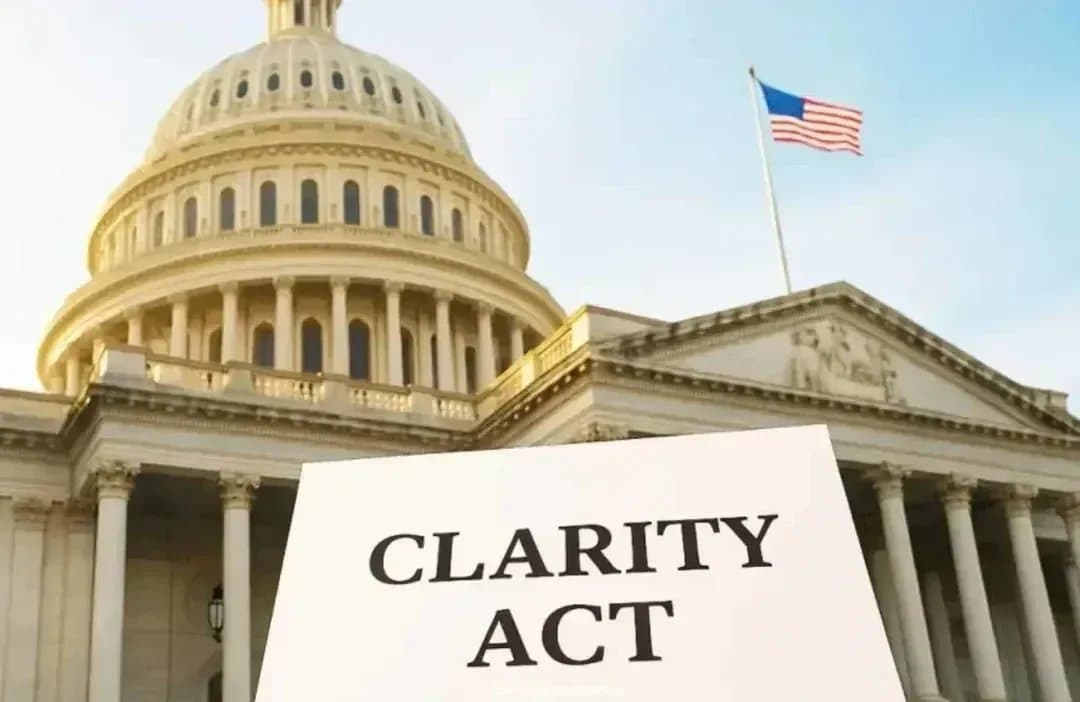
U.S. Representative Bryan Steil has indicated the CLARITY Act, a key piece of legislation designed to clarify digital asset regulations, could see Senate approval as soon as next week. This development follows over a year of delays and could have significant implications for the cryptocurrency XRP.
CLARITY Act Progress and Regulatory Impact
The CLARITY Act aims to establish definitive regulatory guidelines for digital assets, replacing prolonged uncertainty with a structured framework. Although the House passed the bill almost a year ago, the Senate has been finalizing ethics provisions and other details. Steil, chairman of the House Financial Services Subcommittee on Digital Assets, Financial Technology, and Artificial Intelligence, expressed optimism about completing these negotiations shortly.
If enacted, the legislation would enable regulators to more effectively target illicit activities while providing blockchain companies with clear rules to innovate and invest confidently in the U.S. market.
XRP's Potential Two-Phase Market Response
Market analysts have highlighted the potential for XRP to experience a two-stage rally following Senate approval. Initially, retail investors may drive a sharp price increase fueled by media attention and fear of missing out. This demand could generate a strong short-term surge in XRP trading volumes.
The second, more substantial phase would involve institutional adoption, which typically requires extended periods for compliance, technology integration, and security assessments. Banks and payment providers are expected to gradually deploy capital and increase XRP usage, leading to deeper liquidity and higher transaction volumes over time.
Broader Implications for Crypto Regulation
The passage of the CLARITY Act could mark a key moment for the U.S. digital asset industry, ushering in a period of enhanced regulatory certainty. This clarity is seen as essential for fostering both retail enthusiasm and institutional commitment within the cryptocurrency ecosystem.
Material is for informational purposes and does not constitute financial advice.