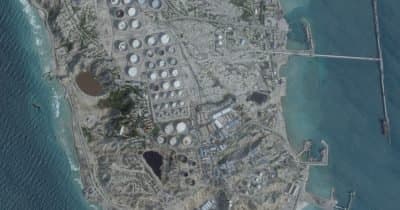
AAA reports that the average retail gasoline price in the United States has climbed back to $4 per gallon. This rise follows a resurgence of military conflict involving the U.S. and Iran in the Middle East. The U.S. recently carried out strikes targeting Iranian coastal defenses and missile sites, intensifying geopolitical tensions in the region.
Impact on Oil Supply Routes and Pricing
These developments have raised concerns about potential disruptions to oil shipments through the Strait of Hormuz, a critical transit point for global oil flows. As a consequence, crude oil prices have increased significantly. Brent crude reached approximately $85.48 per barrel, while West Texas Intermediate (WTI) climbed to $80.27 per barrel, reversing earlier downward trends.
Market Reactions and Predictions
Energy market participants are revising their outlooks as the conflict affects supply expectations. The pricing trends indicate a growing probability that crude oil prices could reach new all-time highs by the end of 2026. Analysts and key energy organizations are closely tracking the situation, which remains highly volatile.
What to Monitor
- Developments in U.S.-Iran military actions, especially those impacting the Strait of Hormuz
- Statements from OPEC and other major energy bodies regarding supply risk assessments
- Potential changes in U.S. and international sanctions targeting Iran that might influence oil supply stability
Brent Crude Climbs 14% as Middle East Tensions Disrupt Oil Flow provides further context on the price movements amid geopolitical risks.
Gasoline futures and related market indexes show increased volatility in response to these geopolitical events.
Disclaimer: The content is for informational purposes only and does not constitute financial advice.