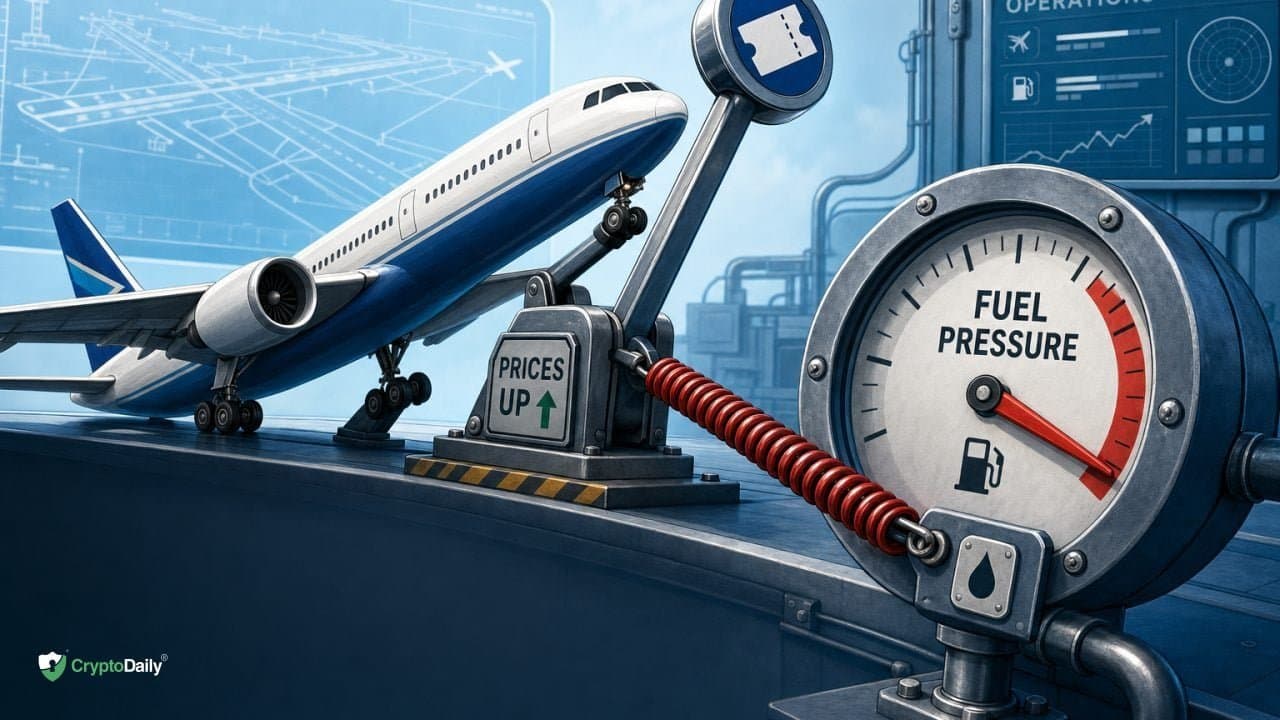
United Airlines recently reported significant financial figures amidst rising fuel expenses, raising the question of whether the airline can maintain its pricing power. As fuel prices soared, UAL seeks to pass some of these costs onto passengers while sustaining demand.
In the second quarter of 2026, United Airlines posted an operating revenue of $17.7 billion, reflecting a 16% increase year over year. The airline's revenue per available seat mile (TRASM) rose by 12.1% compared to the same quarter last year. Adjusted diluted earnings per share (EPS) reached $1.99, while GAAP diluted EPS was reported at $2.46. These figures suggest that United is successfully implementing strategies to increase its revenues without losing customer interest.
Fuel Costs and Recovery Strategies
The average jet fuel price for United in Q2 was $4.19 per gallon, leading to a staggering $2.3 billion increase in fuel expenses, approximately 84% higher than the previous year. United's management indicated that they have managed to recover around 50% of this fuel cost spike. Expectations are set at recovering 80-90% of this increase in Q3, with a full recovery aimed by Q4.
Recent data indicates that United Airlines anticipates an increase of nearly $6 billion in fuel expenses for 2026, compared to earlier projections. This increase in costs, exacerbated by a recent hike of approximately $575 million predicted for Q3, highlights the challenges posed by volatile fuel prices.
Revenue Growth and Pricing Power
Despite these challenges, United appears to possess solid pricing power. The airline's revenue metrics reflect solid demand, particularly in premium cabins. Enhanced upselling strategies, including offering premium seating and additional amenities, contribute to increasing revenue per passenger. Such measures allow United to mitigate the impact of rising fuel costs without resorting solely to base fare hikes.
As the airline moves forward, the primary concern lies in the potential for ongoing fuel price increases and a decline in demand. United's recovery strategies are contingent on maintaining a balance between operational costs and pricing strategies. With demand remaining firm in their key market segments, the airline demonstrates resilience in navigating the current economic landscape.
This material is informational and should not be considered financial advice.