U.S. Sheriffs Shift to Neutral Stance on CLARITY Act Amid Trump Crypto Concerns
The MCSA has shifted its position on the CLARITY Act to neutral, while ethical concerns arise from Trump's substantial crypto profits.
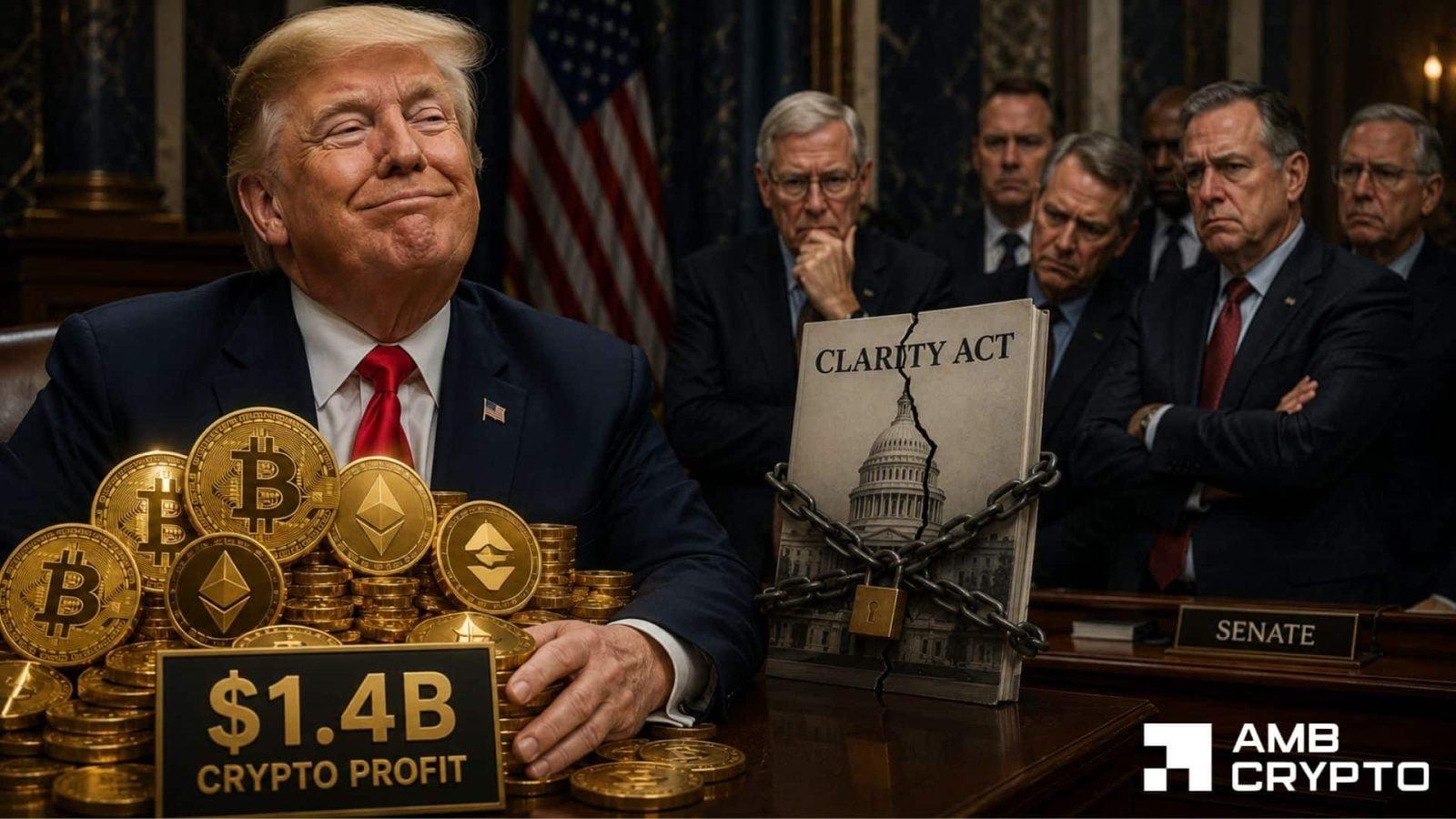
The Major County Sheriffs of America (MCSA) has altered its position regarding the CLARITY Act, now adopting a neutral stance as discussions continue on Section 604, which focuses on developer protections. This change reflects an evolution in support for the bill, previously opposed by several law enforcement agencies.
Shifts in Law Enforcement Support
The shift by MCSA signals a possible easing of opposition, which previously came from various law enforcement organizations, Catholic groups, and banking lobbyists who argued that Section 604 could facilitate illicit financial activities. The sheriffs emphasized the necessity for the legislation to include resources that will enable state and federal officials to effectively implement policies surrounding digital assets.
In June, decreased resistance is indicated as stakeholders begin recognizing the importance of aligning the bill with responsible innovation while addressing the practical needs of law enforcement.
Repercussions from Trump's Crypto Profits
Despite the improved support for the bill, ethical considerations have resurfaced, particularly in light of reports that former President Donald Trump's crypto ventures yielded over $1.4 billion in profits, including $630 million from an official Trump memecoin. Senator Kirsten Gillibrand has expressed renewed concerns over the ethics of elected officials creating their own cryptocurrencies.
Gillibrand argued that self-dealing must be addressed to prevent undermining consumer protections, combating illicit finance, and fostering broader economic opportunities for Americans.
Prospects for CLARITY Act's Passage
The final text of the CLARITY Act is anticipated to be released around the Independence Day weekend, with a potential Senate vote scheduled later this month. Projections regarding the bill's chances of becoming law vary, with Bloomberg estimating a 60% likelihood and Galaxy Research offering a more cautious 50-50 forecast. The progress of the bill remains contingent on how the emerging ethics provisions are handled within the legislative framework.