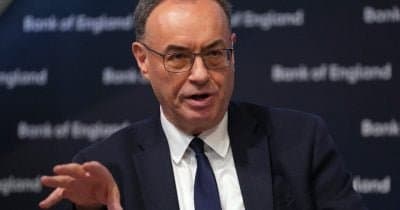
This week, both the Federal Reserve (Fed) and the Bank of England (BoE) decided to maintain their current interest rates, reflecting growing concerns about inflation. The Fed kept its federal funds rate unchanged at a range of 3.5% to 3.75%, while the BoE also opted for stability, holding its Bank Rate at 3.75%. These decisions highlight the complexities central banks face amid rising inflation expectations and political implications.
The backdrop to the Fed's decision included geopolitical tensions tied to the US-Iran conflict, which further complicated the economic landscape. Meanwhile, the BoE's situation appears more challenging, with UK inflation currently at 2.8%, significantly above its 2% target. Notably, two members of the BoE's Monetary Policy Committee voted for a 25 basis point rate hike, indicating disagreements on the effectiveness of their current strategy.
In response to the inflation situation, the BoE has been gradually reducing its balance sheet, with asset purchases down to 523 billion pounds as of June 10. This quantitative tightening is a continuation of efforts to address the economic fallout from the pandemic.
Impact on Cryptocurrency
As central banks struggle with credibility, cryptocurrencies like Bitcoin gain traction. Designed as a response to the 2008 financial crisis, Bitcoin's foundation was built on the lack of trust in traditional monetary policy. When inflation expectations become “unanchored,” investors often seek assets less reliant on central bank actions. This has led to increased interest in Bitcoin during periods of uncertainty, as seen when both the Fed and BoE maintained their rates while inflation remains elevated.
Stablecoins have also emerged as a practical alternative during this time. These digital assets, pegged to fiat currencies, facilitate quicker transactions and cross-border payments while providing some protection from capital controls. As trust in central banks diminishes, the adoption of stablecoins could rise, bridging users to the broader digital asset market.
Monitoring Future Developments
Investors should closely observe the voting patterns within the BoE, particularly the recent 7-2 vote split. An increase in support for rate hikes from committee members could suggest a growing consensus that current rates may not be sufficient to combat inflation effectively. This could indicate deeper issues within the UK economy and the central bank's strategies.
This article is for informational purposes only and should not be considered financial advice.